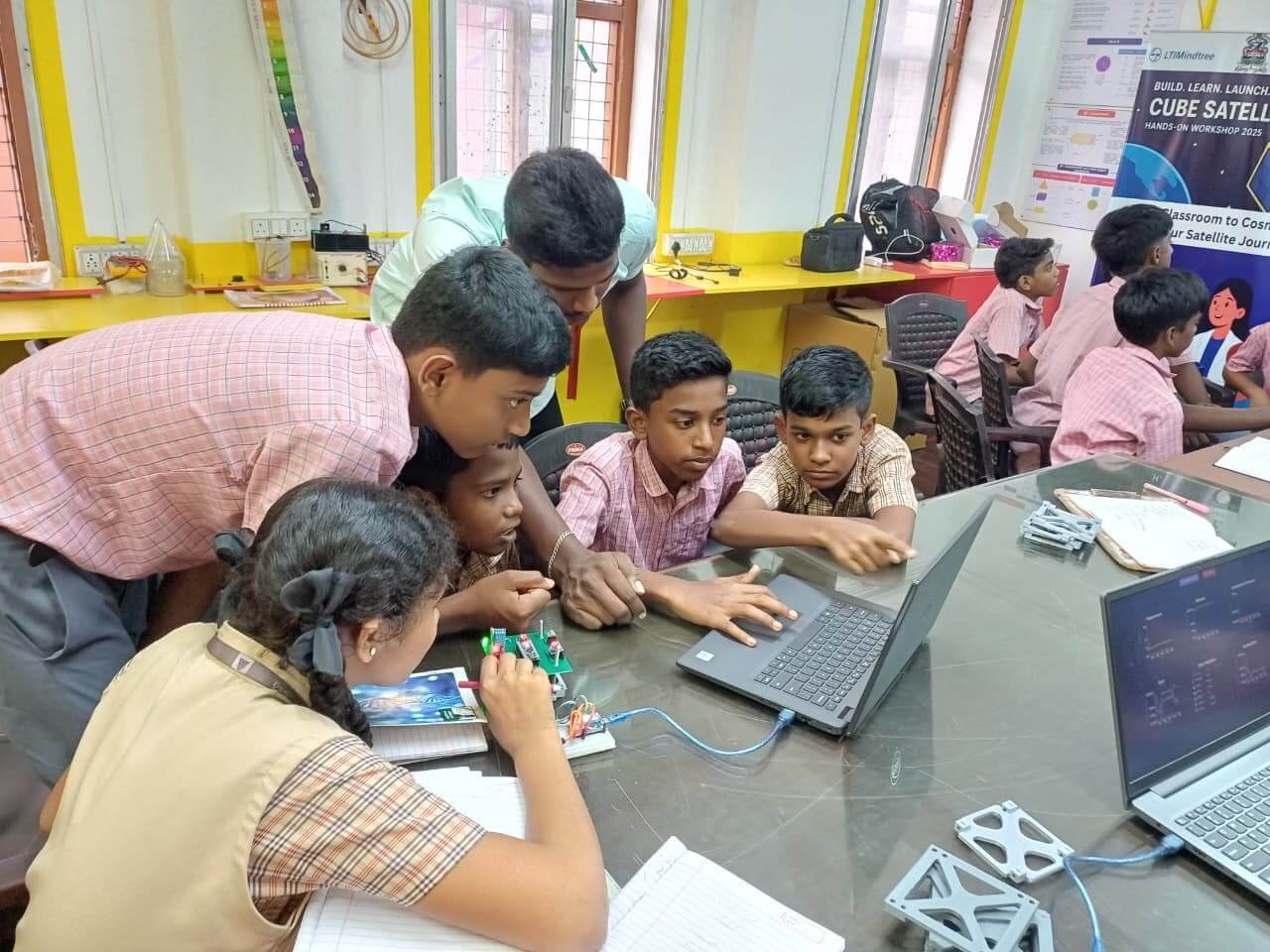
If you’re searching for DIY kits for students that feel like real engineering not just a toy experiment start here. The best space science kits and science STEM kits don’t stop at “build this circuit.” They teach how missions work: assemble, test, launch (or simulate launch), collect data, and understand results like a real payload team.
This guide is written for students, parents, educators, and makers who want a DIY engineering kit that actually builds skills: problem-solving, systems thinking, debugging, documentation, and data analysis.
And yes—where it makes sense, you’ll also find prices and links so you can choose quickly, but everything is written like a useful buying guide (not a sales pitch).
What Is a DIY Space Tech Kit?
A DIY space tech kit is a hands-on engineering kit that simulates the real workflow used in space missions and aerospace projects. Instead of one-off experiments, it helps you build a complete system with:
- Sensors & payload experiments (temperature, humidity, pressure/altitude, IMU/orientation, GPS, etc.)
- Telemetry and data logging (real mission-style data flow)
- Data visualization (graphs, logs, export, mission dashboards)
- Assembly + integration (structure, wiring, packaging, durability)
- Testing mindset (calibration, validation, troubleshooting)
A normal science kit can be fun. A real science STEM kit makes you think like an engineer.
Why DIY Space Science Kits Are One of the Fastest Ways to Learn Engineering
1) You learn by building a complete system
You’re not just doing isolated activities you’re building something that behaves like a payload or a satellite subsystem.
2) Real-time data makes learning addictive
When you see live telemetry—temperature changing, altitude shifting, orientation rotating—engineering becomes real.
3) Perfect for portfolios, competitions, and admissions
Mission-style builds + reports + graphs look great for:
- school STEM portfolios
- university applications
- hackathons and competitions
- internships and research clubs
4) You gain modern skills: hardware + software + data
The best STEM kits teach the full pipeline:
build → test → read data → interpret → improve
Built for Smart Geeks: Active Inputs, Debates & Real Engineering Thinking
Most DIY kits give you steps and an outcome. Great kits invite students to think.
That’s why strong DIY ecosystems encourage:
- Active inputs from geeks: ideas, improvements, experiment variations, build hacks
- Discussions and debates: compare results, argue why readings differ, learn troubleshooting
- Complete manuals: step-by-step build flow, checklists, and “why this happens” explanations
When students can build, test, and debate results, they learn faster—and they stay curious longer.
The 4 Best Types of DIY Space Tech Kits (And What You Learn)
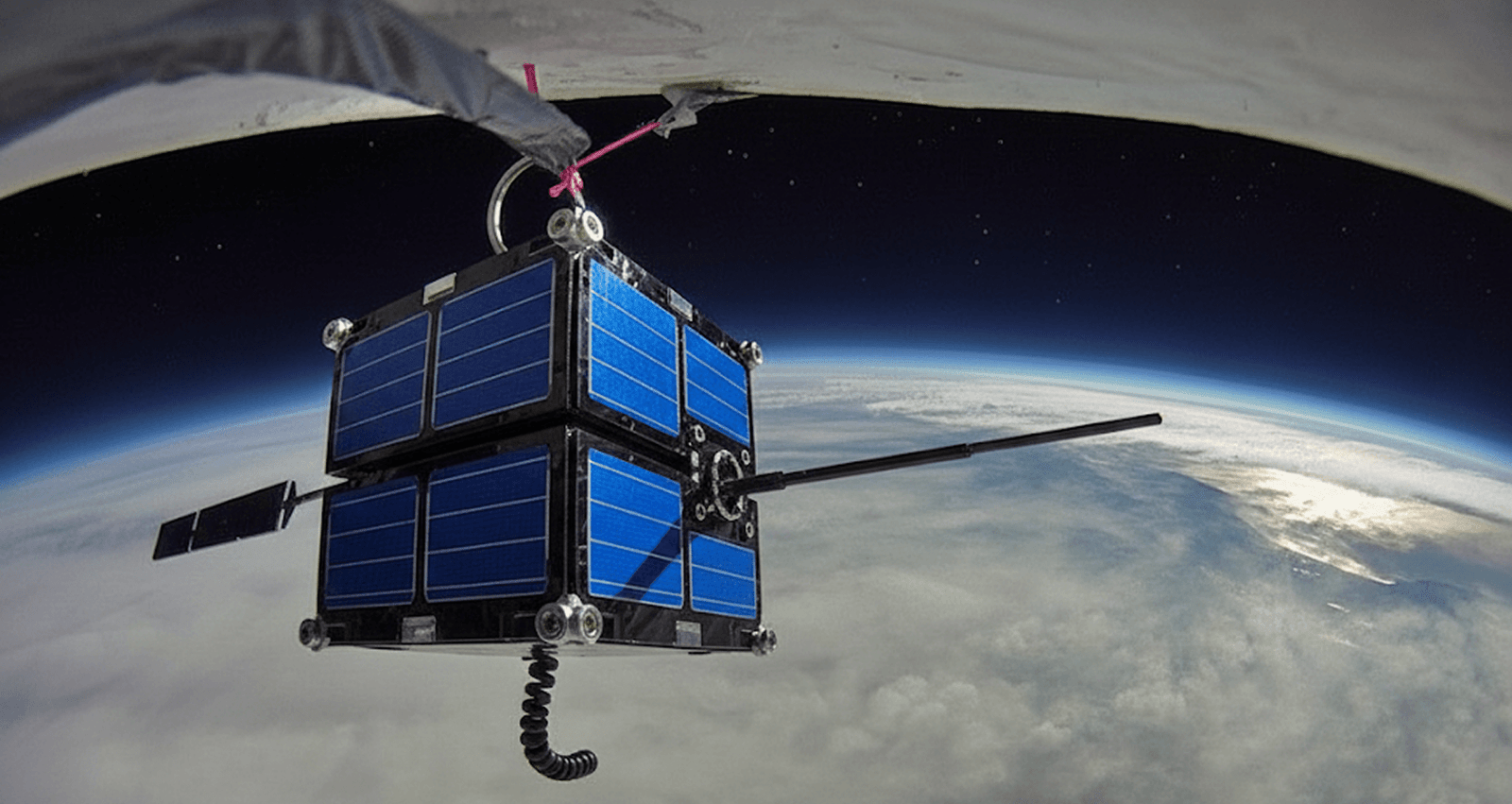
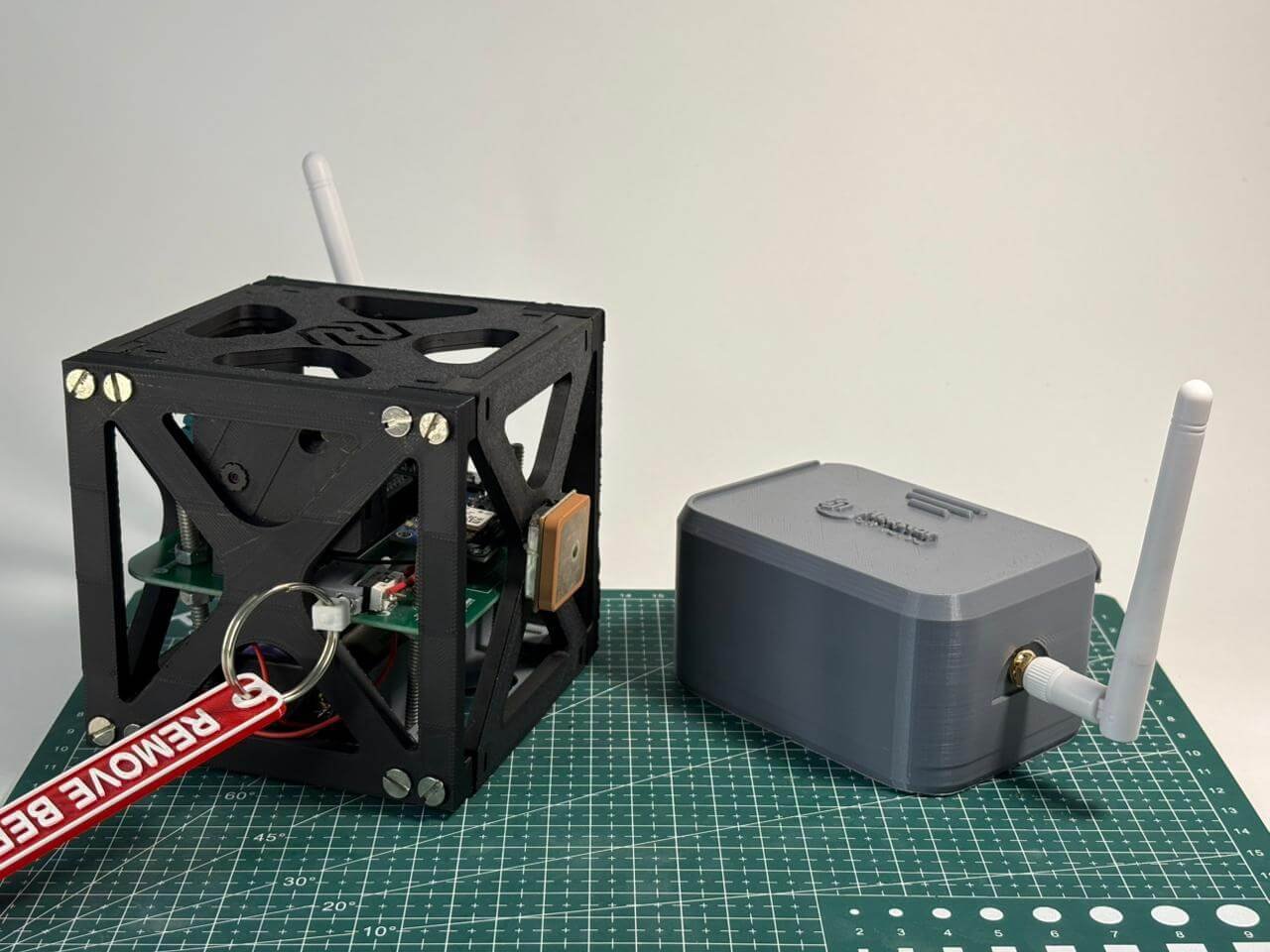
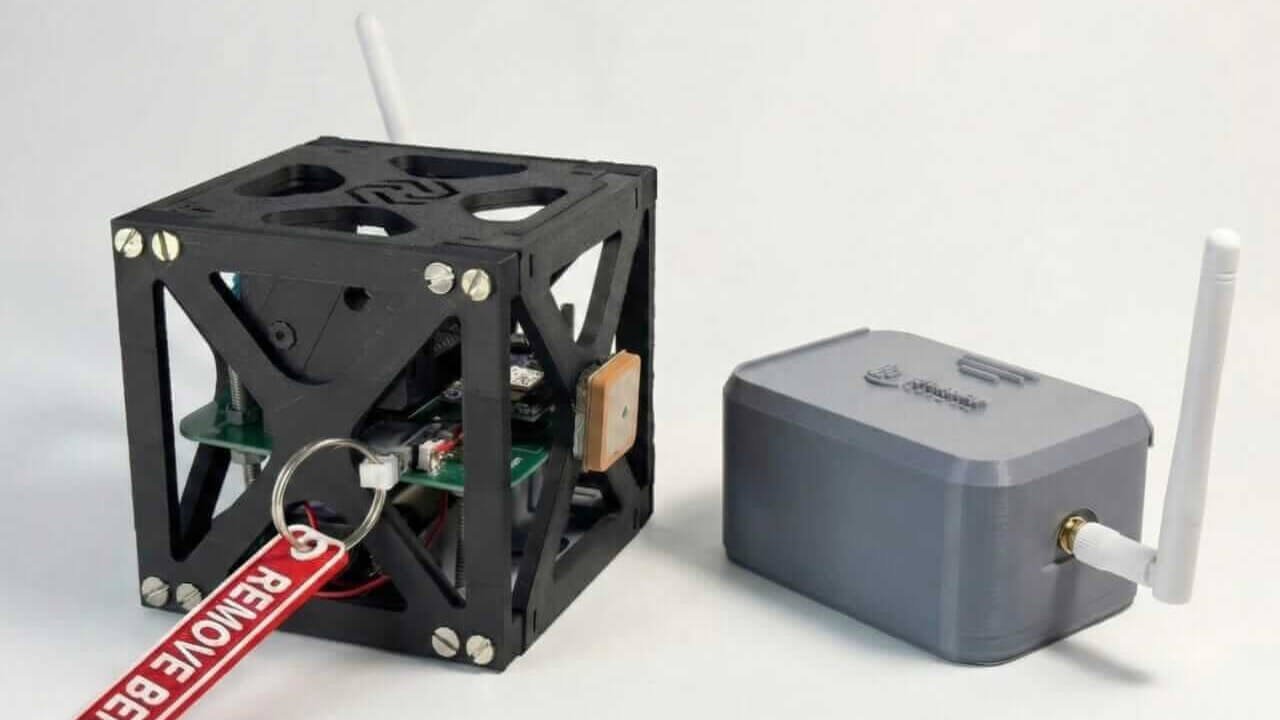
1) DIY CubeSat Kits (Best for Satellite Engineering Learning)
A CubeSat kit is the closest classroom simulation of building a satellite system. You’ll learn:
- sensor payload integration
- onboard computing basics
- telemetry concepts
- system testing and reliability thinking
- mission modes and validation
- data interpretation through dashboards and logs
Best for: high-school, university, makers, aerospace beginners
Project output: satellite-style payload + real telemetry + mission report
What a good CubeSat kit must include
A lot of kits fail here. A strong CubeSat learning kit should have:
- a guided mission roadmap (not just parts)
- real telemetry flow (not only raw serial text)
- a dashboard experience (graphs + logs + export)
- strong documentation (wiring, code, experiments)
- upgrade path (add more experiments and modules)
✅ Hexstar Universe (Space Lab in a Box approach):
Hexstar Universe kits are designed as mission-driven platforms—hardware + manuals + learning flow + dashboards—so students don’t just collect sensor values; they learn engineering thinking.
Explore CubeSat kits: https://store.hexstaruniverse.com/shop/
Satellite Kit for School Students : https://hexstaruniverse.com/product/cubesat-kit/
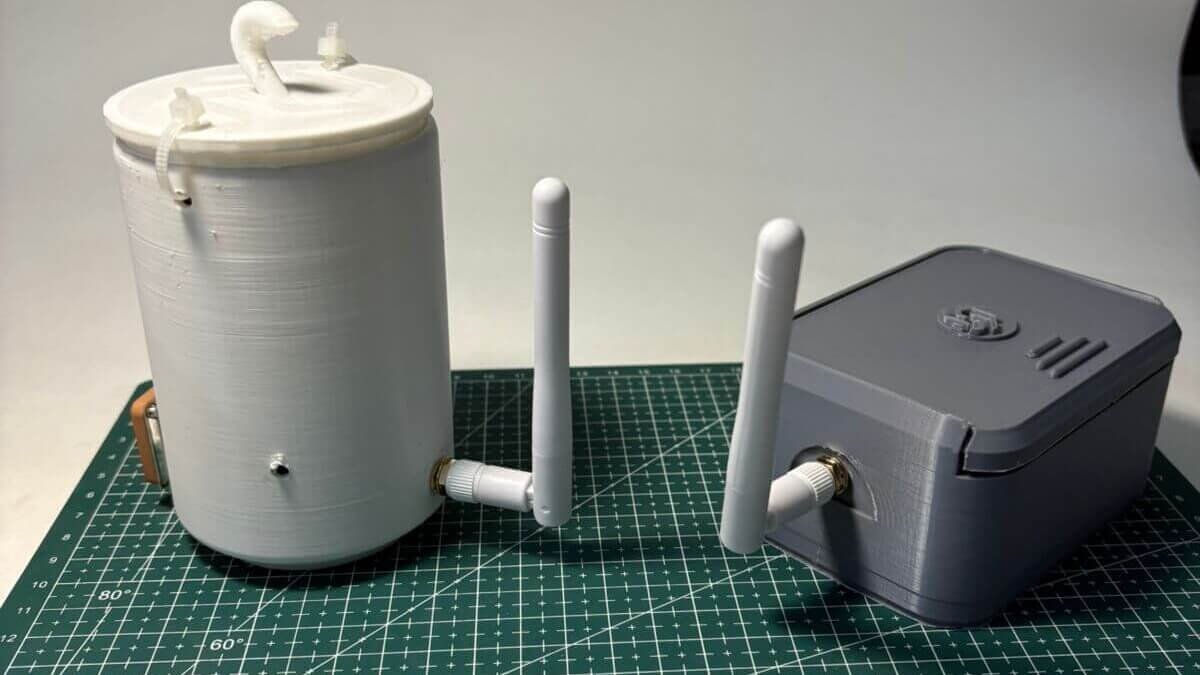
2) DIY CanSat Kits (Best for Competitions + Launch Simulation)
A CanSat simulates a satellite payload in a compact form factor. Students learn:
- payload packaging and durability
- altitude/pressure-based experiments
- mission timeline thinking
- telemetry logging and analysis
- recovery mindset (designing for the real world)
Best for: competitions, school clubs, aerospace intro
Project output: a mission-ready payload + dataset + analysis
Explore CanSat kits: https://store.hexstaruniverse.com/product/cansat-kit/
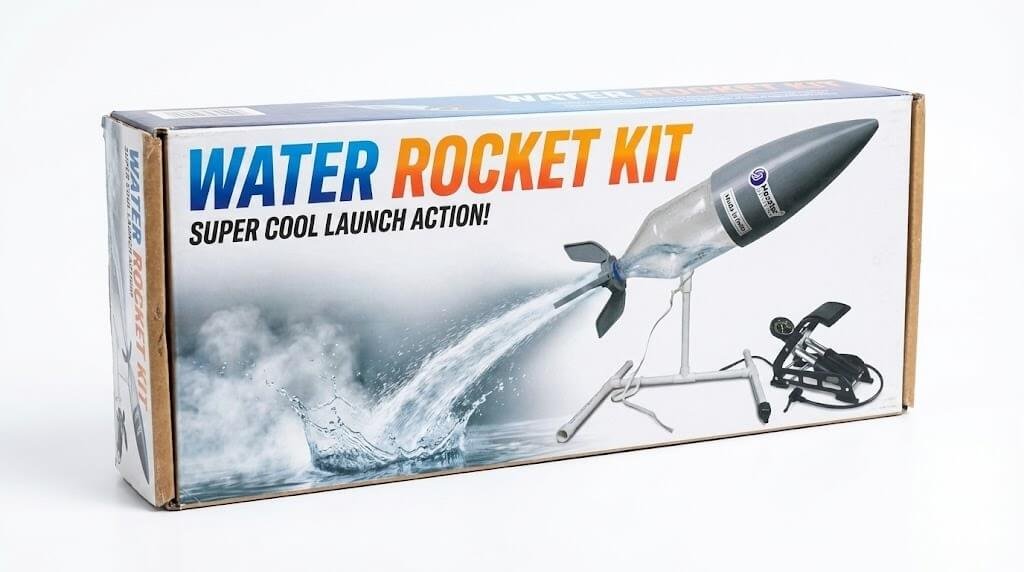
3) DIY Water Rocket Kits (Best for Early STEM + Launch Excitement)
Water rockets are one of the fastest ways to make students love physics. You learn:
- thrust and pressure fundamentals
- stability and fin design
- iterative testing (change → test → measure → improve)
- launch discipline and safety
Best for: middle school to high school
Project output: launch-ready rocket + experiments + learning journal
Stress-Free Launch: Make launches repeatable, not messy
A lot of people love rockets but hate leaks and unstable launches. A good kit supports:
- clean sealing + stable launch setup
- consistent fin alignment for better flight stability
- repeatability (so you can test like a lab)
That’s why water rockets are great DIY kits for students—quick wins, real science, and endless upgrades.
Explore Water Rocket kits: https://store.hexstaruniverse.com/product-category/model-rocket-kit/
4) DIY Stratospheric Balloon Payload Kits (Best for Advanced Near-Space Experiments)
Balloon payload kits take learning to mission-level thinking. Students learn:
- payload constraints (weight, power, temperature, vibration)
- logging strategy and experiment planning
- recovery planning and checklists
- documentation like real aerospace teams
Best for: senior students, universities, research clubs
Project output: near-space payload + dataset + mission report
Explore balloon payload / near-space kits: https://store.hexstaruniverse.com/product/high-altitude-helium-balloon/
How to Choose the Right DIY Kit (Student Buying Guide)
If you want a simple rule:
- Choose a Water Rocket kit for quick STEM excitement + physics learning
- Choose a CanSat kit for competition-style payload missions
- Choose a CubeSat kit for satellite engineering + telemetry dashboards
- Choose a Balloon payload kit for advanced mission documentation and experiments
All-in-One Electronics: Less Confusion, More Engineering
Many science kits fail because wiring becomes overwhelming. Better kits reduce confusion with a modular approach:
- clean electronics layout
- structured “one-system” design
- clear labeling and wiring guides
- upgrade path without rewiring everything from scratch
When electronics feel like one engineered platform, students spend more time learning and less time guessing.
Color-Coded Feedback (Red/Green LEDs): Small Feature, Huge Learning Boost
One underrated feature in great science STEM kits is clear visual feedback.
- Green light = power OK / system ready / link active
- Red light = error / fault / connection issue / low power warning
This teaches fault isolation and debugging skills early. Students stop guessing and start diagnosing like engineers.
Are These the “Best Kits on Amazon”? (How to Decide Anywhere You Buy)
Many people search best kits on Amazon, STEM kits, science kits, or space science kits hoping to find the best option quickly. Amazon has good options but here’s a smarter way to decide (Amazon or not):
Checklist to judge any DIY kit
- Does it teach a system, not a single activity?
- Does it include a complete manual and guided experiments?
- Can you see and analyze data (dashboard/logs/graphs)?
- Is it repeatable and upgradeable?
- Does it encourage thinking, testing, and iteration?
If a kit checks these boxes, it becomes a learning platform not a one-time purchase.
Explore kits : https://store.hexstaruniverse.com/shop
Recommended DIY Space Kits (Quick Picks)
Here’s a simple way to choose based on your goal:
- I want a satellite-like experience: CubeSat kit + telemetry dashboard
- I want a competition payload: CanSat kit + mission experiments
- I want a fun rocket that teaches physics: Water rocket kit with repeatable launch setup
- I want advanced experiments: Balloon payload kit + mission checklist workflow
Explore kits (Hexstar Universe): https://store.hexstaruniverse.com/shop
Want to learn more about DIY STEM kits :
What are the best DIY kits for students who love space science?
The best DIY kits for students combine structured builds, hands-on experiments, and data learning—especially space science kits like CubeSat/CanSat simulations and rocket payload activities.
Do I need coding to use DIY engineering kits?
Not always, but basic coding helps you customize sensors, logging, and mission logic. The best STEM kits provide starter code and guided learning paths.
What age group are DIY space tech kits suitable for?
- Water rockets: typically 10+
- CanSat: typically 13+
- CubeSat: typically 14+ (or younger with mentorship)
- Balloon payload: typically 16+ / university level
What makes a STEM kit feel advanced (not childish)?
Advanced science STEM kits include system thinking, debugging features (like red/green LEDs), guided manuals, repeatable experiments, and clear learning outcomes.
What sensors are common in space science kits?
Common sensors include:
- temperature and humidity
- pressure/altitude
- IMU (acceleration/gyro for orientation)
- GPS (tracking/mapping, in some projects)
Are space science kits useful for school projects and portfolios?
Yes. Mission-style space science kits help students create project reports, graphs, documentation, and presentations—ideal for portfolios and competitions.
Should I buy STEM kits from Amazon or from specialized space-tech brands?
Amazon is great for general science kits, but specialized space-tech brands often offer deeper manuals, mission workflows, dashboards, and upgrade paths especially for CubeSat/CanSat learning.
What should I look for before buying a CubeSat kit?
Look for:
- guided mission roadmap
- real telemetry or logging pipeline
- dashboard-based visualization
- strong documentation
- upgrade path
Final Note: The Best DIY Kit Is the One You’ll Actually Finish
If you want maximum learning, choose a kit that’s:
- structured (manual + missions)
- repeatable (so you can run multiple tests)
- data-driven (so you can analyze and improve)
That’s how DIY turns into real engineering.
Explore Hexstar Universe DIY space-tech kits: https://store.hexstaruniverse.com/
Satellite kit Gen1 : https://hexstaruniverse.com/product/cubesat-kit/