Introduction
Space is no longer waiting for students to graduate.
Today, the industry is expanding faster than ever before. Moreover, it is no longer reserved for IIT toppers, scientists, or government labs. Students from any city, town, or school in India can now start learning space technology early.
At the same time, India’s space ecosystem is growing rapidly. New satellites are launching, private space startups are emerging, and advanced careers in aerospace and AI are opening every year.
The real question is not whether India will become a global space superpower.
Instead, the real question is:
Will Indian students be ready for this future?
Unfortunately, most students are not being prepared properly. However, the issue is not a lack of talent. The real problem is a lack of access to structured SpaceTech education.
That is exactly where Hexstar Academy comes in.
The Gap Nobody Is Talking About
Walk into almost any Indian school or engineering college today.
Students spend years studying mathematics, physics, coding, and electronics. However, very few are taught how satellites actually work, how remote sensing operates, or how artificial intelligence is used in space systems.
As a result, many students graduate with strong theoretical knowledge but very little exposure to real-world space applications.
This gap exists because mainstream education rarely covers modern SpaceTech in depth.
For example:
- Schools teach physics but not aerospace engineering.
- Colleges teach programming but not satellite systems.
- Electronics students rarely explore avionics.
- AI students almost never work with space data.
Consequently, students interested in space technology are forced to learn on their own through scattered YouTube videos, outdated resources, or expensive foreign programs.
Because of this educational gap, India loses thousands of talented future engineers every year — not due to lack of intelligence, but because the right learning platform never reached them.
What Is Space Technology?
Space Technology, also known as SpaceTech, combines multiple advanced disciplines together.
These include:
- Aerospace engineering
- Artificial intelligence
- Electronics
- Remote sensing
- Data science
- Systems engineering
- Geospatial technologies
Together, these technologies help humanity design and operate systems that function in space.
In fact, SpaceTech already powers many tools people use every day, including:
- GPS navigation
- Weather forecasting
- Satellite internet
- Disaster management systems
- Agricultural monitoring
- Climate tracking
Every time someone opens a map application or checks tomorrow’s weather forecast, space technology is already working behind the scenes.
Therefore, learning SpaceTech means understanding how modern global infrastructure actually works — and how future innovations will be built.
Why Space Technology Is One of the Most Future-Ready Skills
The global space economy is projected to reach $1.8 trillion by 2035, according to McKinsey and the World Economic Forum.
Meanwhile, India is rapidly increasing its investment and participation in the space sector.
Private companies are launching satellites more frequently. In addition, ISRO is expanding its missions while Indian space startups continue attracting major attention and funding.
As a result, demand for SpaceTech-skilled professionals is growing faster than ever.
However, SpaceTech education offers far more than career opportunities alone.
It also develops the mindset required for future engineering and innovation.
Students learning space technology build skills such as:
- Systems thinking
- Problem-solving under pressure
- AI and data fluency
- Cross-disciplinary engineering knowledge
- Practical project-building experience
- Scientific confidence
Most importantly, these are not just aerospace skills.
They are the same future-ready skills required in:
- Artificial Intelligence
- Robotics
- Deep Tech
- Defence Technology
- Climate Technology
- Aerospace Engineering
- Advanced Research
Introducing Hexstar Academy — India’s Dedicated SpaceTech Learning Platform
Hexstar Academy was founded by three childhood friends who shared one powerful vision:
Make SpaceTech education accessible for every student in India.
Instead of waiting for the traditional education system to evolve, they decided to build a practical solution themselves.
Today, Hexstar Academy stands as India’s dedicated platform fully focused on SpaceTech education.
Unlike general STEM platforms, Hexstar Academy specializes entirely in space-related learning.
It is not:
- A generic coding platform
- A coaching institute
- A STEM app with one small aerospace section
Instead, it is a complete SpaceTech learning ecosystem built specifically for Indian students.
The platform supports:
- School students
- Engineering students
- Science graduates
- Working professionals
- Teachers
- Institutions
- Space enthusiasts
Ultimately, the mission is simple:
Give every curious student access to world-class SpaceTech education.
Who Is Hexstar Academy For?
School Students (Classes 6–10)
Students do not need to wait until college to begin exploring space science.
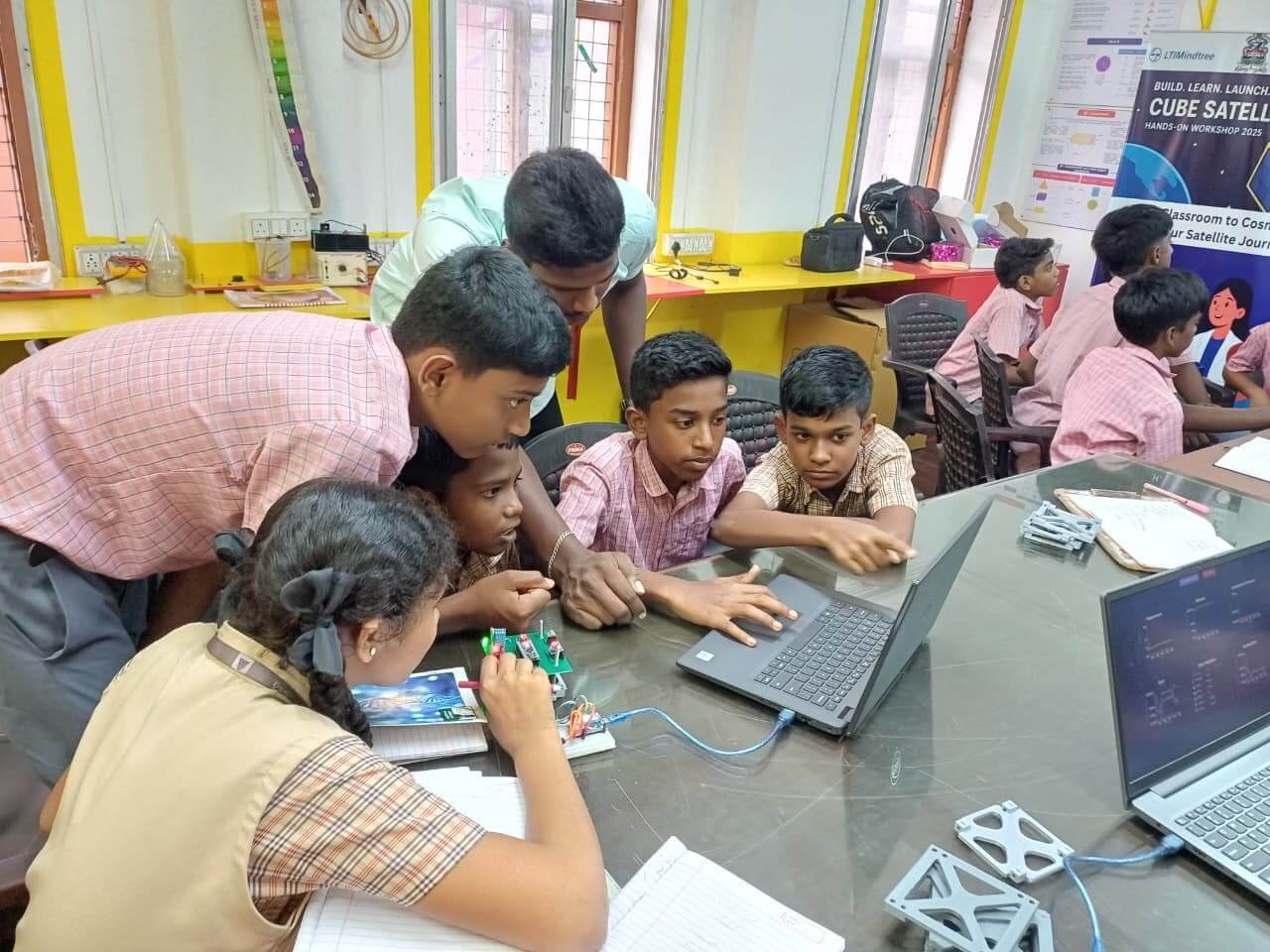
Instead, beginner-friendly programs and workshops help young learners connect classroom science with exciting real-world applications.
As a result, subjects like physics and mathematics suddenly become far more engaging.
High School Students (Classes 11–12)
Students preparing for engineering or science careers gain a major advantage by starting early.
Moreover, practical SpaceTech exposure helps students stand out during:
- College admissions
- Competitive exams
- Internships
- Future applications
Most importantly, students begin discovering what they genuinely enjoy building.
Engineering & College Students
This is where Hexstar Academy goes much deeper.
The Space Tech Training and Internship Program (STTIP) introduces industry-level concepts that most Indian college curriculums still do not cover properly.
As a result, students graduate with:
- Real projects
- Practical exposure
- Technical portfolios
- Industry-recognized certificates
- Applied engineering skills
Science & Research Students
Physics, mathematics, and earth science students can also explore advanced pathways through SpaceTech learning.
For example, students gain exposure to:
- Remote sensing
- Earth observation
- Geospatial intelligence
- AI for satellite systems
- Mission planning
Consequently, many students discover entirely new research interests and career opportunities.
Parents
If a child constantly asks questions about rockets, satellites, or the universe, that curiosity can become a powerful long-term advantage.
Therefore, Hexstar Academy provides a structured and safe environment where curiosity turns into future-ready technical skills.
Teachers & Educational Institutions
Today, SpaceTech belongs inside classrooms — not outside them.
However, many institutions lack specialized faculty members in aerospace or satellite systems.
Because of this, Hexstar Academy helps schools and colleges introduce SpaceTech education at scale through institutional partnerships.
Space Enthusiasts & Career Changers
Importantly, students do not need an aerospace degree to begin learning SpaceTech.
Anyone passionate about space and future technologies can start from the fundamentals and gradually build advanced knowledge.
Learn From Real Space Professionals
One of the biggest strengths of Hexstar Academy is its mentorship network.
Instead of learning only from textbook educators, students learn directly from professionals actively working in the global space industry.
Mentors come from organizations such as:
- NASA
- ISRO
- Boeing
- MIT
- CSEM
- IAU
- KaleidEO
As a result, learning becomes far more practical, immersive, and industry-oriented.
For example, when a former ISRO scientist teaches satellite systems, students gain insights that textbooks simply cannot provide.
Similarly, aerospace professionals explain rocket science through real engineering experience instead of only theory.
This is what modern industry-led education truly looks like.
What Students Actually Learn at Hexstar Academy
The flagship STTIP program focuses heavily on practical and project-based learning.
Instead of memorizing theory alone, students actively build technical understanding through simulations, analysis, and engineering workflows.
Topics Covered Include:
Indian Space Program
Students explore:
- ISRO missions
- India’s growing role in space
- Space economy trends
- Emerging opportunities
Rocketry & Aerodynamics
Students study:
- Rocket physics
- Flight mechanics
- Aerodynamics
- OpenRocket simulations
As a result, concepts become visual, interactive, and easier to understand.
Satellite Technology
Students learn:
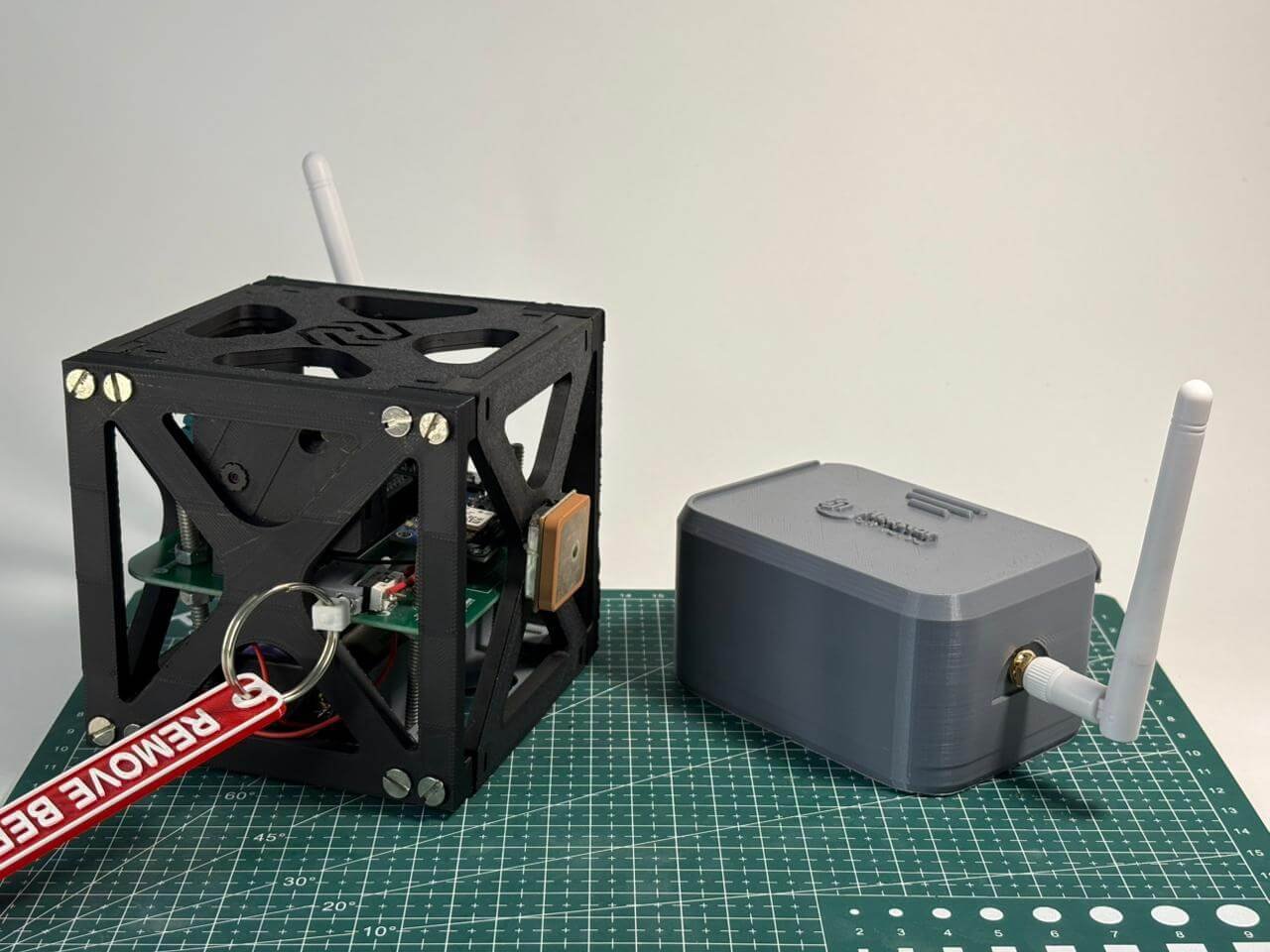
- Satellite subsystems
- Payload design
- Avionics
- Orbital systems
- Spacecraft operations
Remote Sensing & Earth Observation
Students understand how satellites help monitor:
- Agriculture
- Climate change
- Natural disasters
- Urban development
In addition, they explore how satellite imagery is processed and analyzed.
AI & GIS for Space Applications
Artificial intelligence is now deeply connected to space systems.
Therefore, students learn:
- Machine learning basics
- Satellite image processing
- Geospatial analysis
- AI-driven Earth observation
Space Law & Policy
Students also explore the legal frameworks governing global space activity.
As commercial space grows rapidly, this field is becoming increasingly important.
Project Design Reviews
Most importantly, students experience real engineering workflows such as:
- Preliminary Design Reviews (PDR)
- Critical Design Reviews (CDR)
Finally, students complete technical project reports similar to professional industry processes.
Explore all programs at: