Space Education in West Bengal: SpaceTech, STEM Kits, CubeSat Projects, and Practical Learning Opportunities
Introduction
West Bengal has a long history of scientific excellence and innovation. Over the years, the state has produced remarkable engineers, mathematicians, and researchers who have contributed to various fields of science and technology. Today, a new generation of students is showing growing interest in Space Technology, robotics, drones, electronics, artificial intelligence, and aerospace engineering.
Unlike the past, space science is no longer limited to scientists and major research organizations. Thanks to advancements in technology, students can now explore satellites, build engineering projects, experiment with sensors, and understand complex concepts through practical experiences. As a result, SpaceTech education has become more accessible than ever before.
Furthermore, schools, colleges, and STEM communities across West Bengal are increasingly adopting project-based learning. Consequently, students are gaining opportunities to develop practical skills alongside theoretical knowledge.
Whether someone is looking for CubeSat kits, CanSat kits, drone kits, robotics kits, electronics kits, SpaceTech workshops, or satellite engineering programs, there are now many ways to start learning. Moreover, organizations like Hex-Star Universe are helping students turn curiosity into innovation through educational kits, training programs, and practical learning experiences.
Why Space Education Is Becoming More Important in West Bengal
India’s space ecosystem is growing rapidly. Besides government organizations, private companies and startups are also contributing to satellite technologies, communication systems, Earth observation, and artificial intelligence. Therefore, the demand for skilled engineers and innovators is increasing every year.
Many technologies that people use daily are directly connected to space systems. For example, GPS navigation, weather forecasting, communication networks, climate studies, and disaster management rely heavily on satellites and related technologies.
Because of these developments, students are becoming more interested in:
- Space Science
- Space Technology
- Satellite Engineering
- CubeSat Projects
- CanSat Systems
- Drone Technology
- Robotics and Automation
- Electronics and Embedded Systems
- Artificial Intelligence
- Internet of Things (IoT)
- Remote Sensing and GIS
In addition, educational institutions are encouraging students to work on practical projects and interdisciplinary learning. Consequently, SpaceTech education is gradually becoming an important part of modern STEM education.
What Can Students Learn Through Space Technology?
Space Technology combines multiple engineering disciplines. Therefore, students can develop knowledge across several exciting domains.
Satellite Technology
Satellites play a crucial role in communication, navigation, weather forecasting, and Earth observation. Through practical learning, students can understand:
- Satellite subsystems
- Communication systems
- Sensors
- Data collection methods
- Power systems
- Mission planning
Moreover, studying satellite technology helps learners understand how modern space missions operate.
CubeSat Engineering
CubeSats are miniature satellites widely used for educational and research purposes. Because they are compact and affordable, they provide an excellent platform for learning.
Through CubeSat projects, students can explore:
- Embedded systems
- Sensor integration
- Data acquisition
- Communication protocols
- Telemetry systems
As a result, learners gain practical experience while understanding real satellite concepts.
CanSat Systems
CanSat projects provide an easy introduction to aerospace engineering. In addition, these projects allow beginners to understand how miniature satellite systems work.
Students can learn about:
- Atmospheric sensing
- Payload systems
- Data logging
- System integration
- Mission concepts
Therefore, CanSat projects are widely used in STEM activities and competitions.
Drone Technology
Drone technology is transforming industries such as agriculture, surveying, inspection, and mapping. Consequently, learning about drones has become increasingly valuable.
Students can gain experience with:
- Flight controllers
- Navigation systems
- Communication systems
- Sensors
- Autonomous operations
Besides aerospace applications, drone technology is also useful in robotics and automation.
Electronics and Embedded Systems
Modern engineering depends heavily on electronics and embedded technologies. Therefore, understanding these systems is essential for students interested in innovation.
Popular topics include:
- ESP32
- Arduino
- Sensors
- Communication modules
- PCB design
- Wireless technologies
Furthermore, embedded systems form the foundation of IoT and automation projects.
Robotics and Automation
Robotics combines electronics, mechanics, and programming. As a result, it helps students develop creativity and problem-solving abilities.
Through robotics projects, learners can understand:
- Sensors
- Motors
- Controllers
- Programming
- Intelligent systems
Moreover, robotics projects encourage experimentation and innovation.
Artificial Intelligence
Artificial Intelligence is transforming industries across the world. Likewise, AI is becoming increasingly important in space applications.
Students can explore:
- Image processing
- Pattern recognition
- Data analysis
- Automation
- Machine learning applications
Consequently, AI skills are becoming highly valuable for future engineers and researchers.
Remote Sensing and GIS
Remote sensing technologies are widely used in agriculture, environmental studies, urban planning, and disaster management.
Through these technologies, students can understand:
- Satellite imagery
- Mapping systems
- Environmental monitoring
- Climate studies
- Geospatial analysis
As a result, learners gain insights into how satellite data helps solve real-world problems.
Educational Kits and Practical Learning Platforms for Students in West Bengal
Hands-on learning plays a crucial role in helping students understand engineering concepts. While textbooks provide theoretical knowledge, practical projects enable learners to apply those concepts to real-world situations. Therefore, educational kits have become increasingly popular among schools, colleges, STEM clubs, and engineering students.
Hex-Star Universe provides various educational kits and project platforms that are designed to make learning more interactive, engaging, and accessible. Moreover, these kits help students develop technical skills, creativity, and problem-solving abilities.
CubeSat Kits for Students and Space Enthusiasts
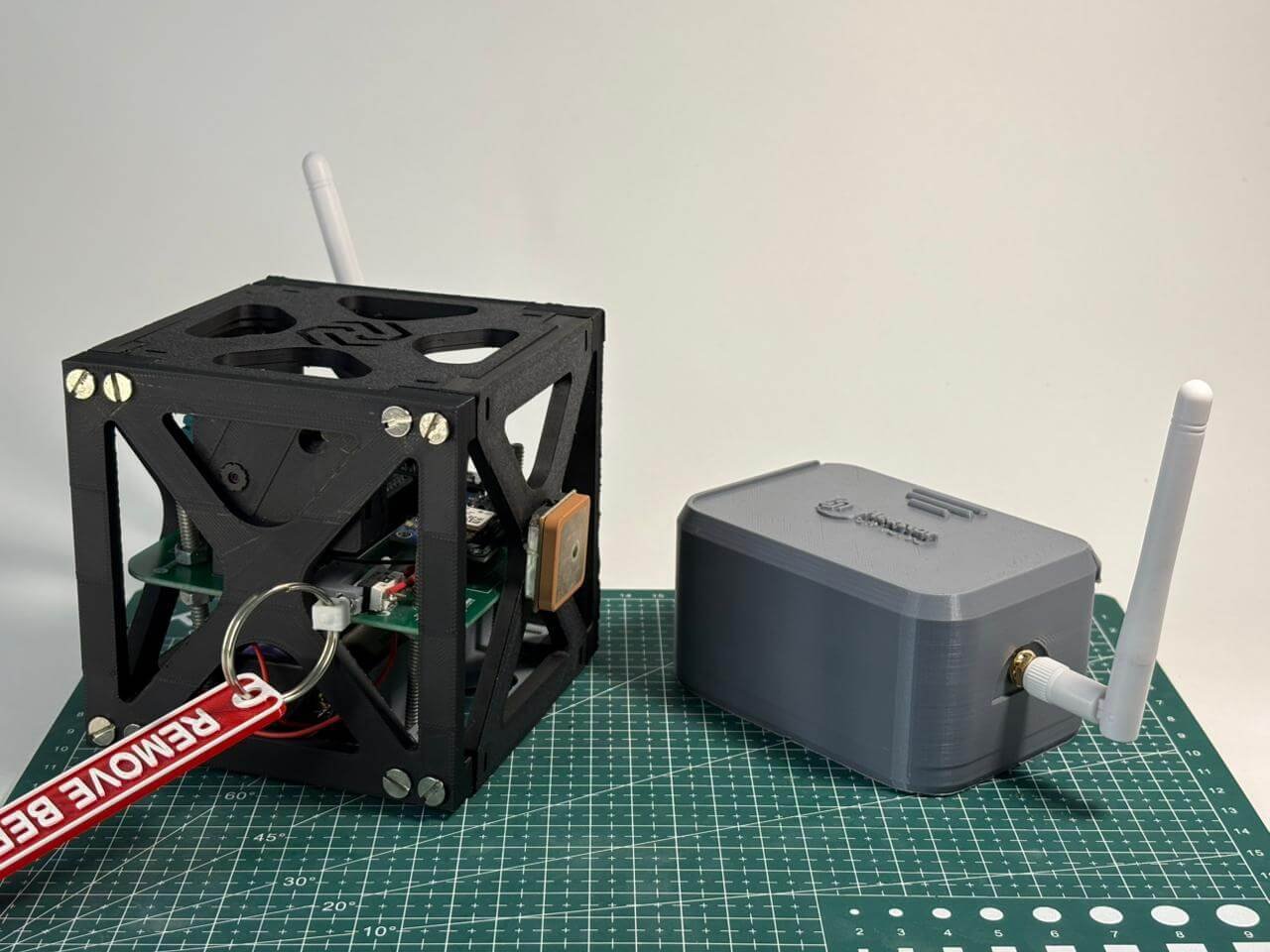
CubeSats are miniature satellites widely used for education and research. Because they simulate real satellite systems, they provide students with valuable exposure to space engineering concepts.
The CubeSat Kits offered by Hex-Star Universe help learners understand:
- Sensors and data collection
- Communication systems
- Embedded systems
- Telemetry concepts
- Satellite architecture
- Data acquisition and analysis
Furthermore, CubeSat projects encourage students to think like engineers while working on practical experiments.
Explore CubeSat Kits:
CanSat Kits for Aerospace Learning
CanSat projects offer an excellent introduction to satellite engineering. Since these systems are compact and beginner-friendly, they are widely used in STEM competitions and educational programs.
Through CanSat Kits, students can learn about:
- Atmospheric sensing
- Payload systems
- Sensor integration
- Data logging
- Mission concepts
- System design
As a result, learners gain hands-on experience while understanding aerospace principles.
Explore CanSat Kits:
Drone Kits for Future Innovators
Drone technology is becoming increasingly important across industries such as agriculture, mapping, inspection, and research. Therefore, learning drone systems can open exciting opportunities for students.
Drone kits help learners understand:
- Flight controllers
- Navigation systems
- Sensors
- Communication systems
- Autonomous operations
- UAV technologies
Besides aerospace applications, drones are also widely used in robotics and automation.
Explore Drone Kits:
ESP32 and Embedded Systems Kits
Embedded systems form the backbone of modern electronics. Consequently, students interested in IoT and automation can benefit greatly from learning these technologies.
ESP32 and embedded systems kits help learners explore:
- Wireless communication
- IoT projects
- Sensor interfacing
- Automation systems
- Smart devices
- Data acquisition
In addition, these projects help students understand how connected systems work in the real world.
Explore ESP32 Kits:
Electronics Kits for Engineering and STEM Projects
Electronics form the foundation of almost every modern technology. Therefore, gaining practical experience with electronic systems is extremely valuable.
Electronics kits allow students to work with:
- Sensors
- Circuits
- Microcontrollers
- Communication modules
- Data logging systems
- Embedded technologies
Moreover, these kits are suitable for beginners as well as engineering students.
Explore Electronics Kits:
Robotics Kits for Practical Learning
Robotics combines programming, electronics, and mechanical systems. As a result, robotics projects help students develop creativity and problem-solving skills.
Through robotics kits, learners can understand:
- Sensors
- Motors
- Controllers
- Automation systems
- Programming concepts
- Intelligent machines
Furthermore, robotics projects encourage experimentation and innovation.
Explore Robotics Kits:
Water Rocket Kits for STEM Activities
Water rockets provide a fun and engaging introduction to aerospace engineering. In addition, they help students understand the principles of propulsion and aerodynamics.
Through water rocket experiments, students can learn:
- Newton’s laws of motion
- Stability and balance
- Propulsion concepts
- Aerodynamics
- Flight mechanics
Therefore, water rocket activities are popular in schools and STEM events.
Explore Water Rocket Kits:
High Altitude Balloon Systems and Near-Space Experiments
High-altitude balloon systems allow students to perform experiments near the edge of space. Consequently, they provide valuable exposure to atmospheric science and aerospace technologies.
These systems can be used for:
- Environmental monitoring
- Data collection
- Near-space experiments
- Sensor testing
- Payload integration
- Telemetry applications
Moreover, such projects introduce students to real mission planning and engineering workflows.
Explore High Altitude Balloon Systems:
Payload Systems and Parachute Recovery Mechanisms
Payload recovery systems are important components in many aerospace projects. Through these systems, students can understand how experiments are safely recovered after flight.
These projects introduce learners to:
- Mission planning
- Payload integration
- Descent systems
- Parachute mechanisms
- Flight testing
- Recovery operations
As a result, students gain insights into real aerospace engineering processes.
Explore Payload Systems:
Sensor Kits and IoT Platforms
Sensors play an important role in modern technologies. Therefore, understanding sensor systems is essential for students interested in electronics, robotics, and automation.
Sensor kits and IoT platforms help learners work with:
- Environmental sensors
- GPS modules
- Wireless communication systems
- Automation projects
- Smart devices
- Monitoring systems
Furthermore, these kits help students develop practical skills that are useful across multiple engineering disciplines.
Explore Sensor Kits:
Why Practical Learning Matters
Although theoretical knowledge is important, hands-on learning enables students to understand concepts more effectively. In fact, practical projects help bridge the gap between classroom education and real-world engineering.
Through educational kits and project platforms, students can:
- Improve problem-solving skills.
- Develop technical confidence.
- Understand engineering concepts deeply.
- Build project portfolios.
- Prepare for future careers.
- Foster creativity and innovation.
Therefore, project-based learning is becoming an essential part of modern STEM education and SpaceTech learning.
Hex-Star Universe: Building the SpaceTech Ecosystem in West Bengal
West Bengal has always been known for its rich scientific heritage and engineering excellence. However, many students interested in Space Technology, electronics, robotics, drones, and aerospace engineering often struggle to find practical learning opportunities. While traditional education provides a strong theoretical foundation, students also need hands-on experience to understand how modern technologies work.
Recognizing this need, Hex-Star Universe was established with the vision of making SpaceTech and STEM education more accessible, affordable, and practical. Rather than focusing only on theory, the organization aims to create an ecosystem where students can build, experiment, and innovate.
As a result, students across schools, colleges, and STEM communities are getting opportunities to explore emerging technologies through project-based learning.
What Is Hex-Star Universe?
Hex-Star Universe is a West Bengal-based SpaceTech and STEM company dedicated to empowering students through practical learning experiences.
The organization focuses on multiple domains, including:
- Space Technology
- Satellite Engineering
- CubeSat Systems
- CanSat Projects
- Drone Technology
- Electronics and Embedded Systems
- Robotics and Automation
- Artificial Intelligence
- Remote Sensing and GIS
- Internet of Things
- STEM Education
Furthermore, Hex-Star Universe aims to bridge the gap between theoretical education and real-world engineering through educational kits, workshops, and training programs.
Visit Hex-Star Universe:
Hex-Star Academy: Making SpaceTech Education Accessible
Hex-Star Academy is the learning and training division of Hex-Star Universe. Through practical and industry-oriented programs, the academy helps students understand advanced technologies in an easier and more engaging manner.
Explore Hex-Star Academy:
Unlike traditional approaches, Hex-Star Academy emphasizes project-based learning. Consequently, students gain both theoretical understanding and practical experience.
The academy provides learning opportunities in:
- Space Science
- Space Technology
- Satellite Engineering
- CubeSat Systems
- CanSat Projects
- Drone Technology
- Electronics and Embedded Systems
- Robotics and Automation
- Artificial Intelligence
- IoT and Smart Systems
- Remote Sensing and GIS
- Aerospace Engineering
Moreover, students from different academic backgrounds can participate in these programs.
Workshops and Training Programs
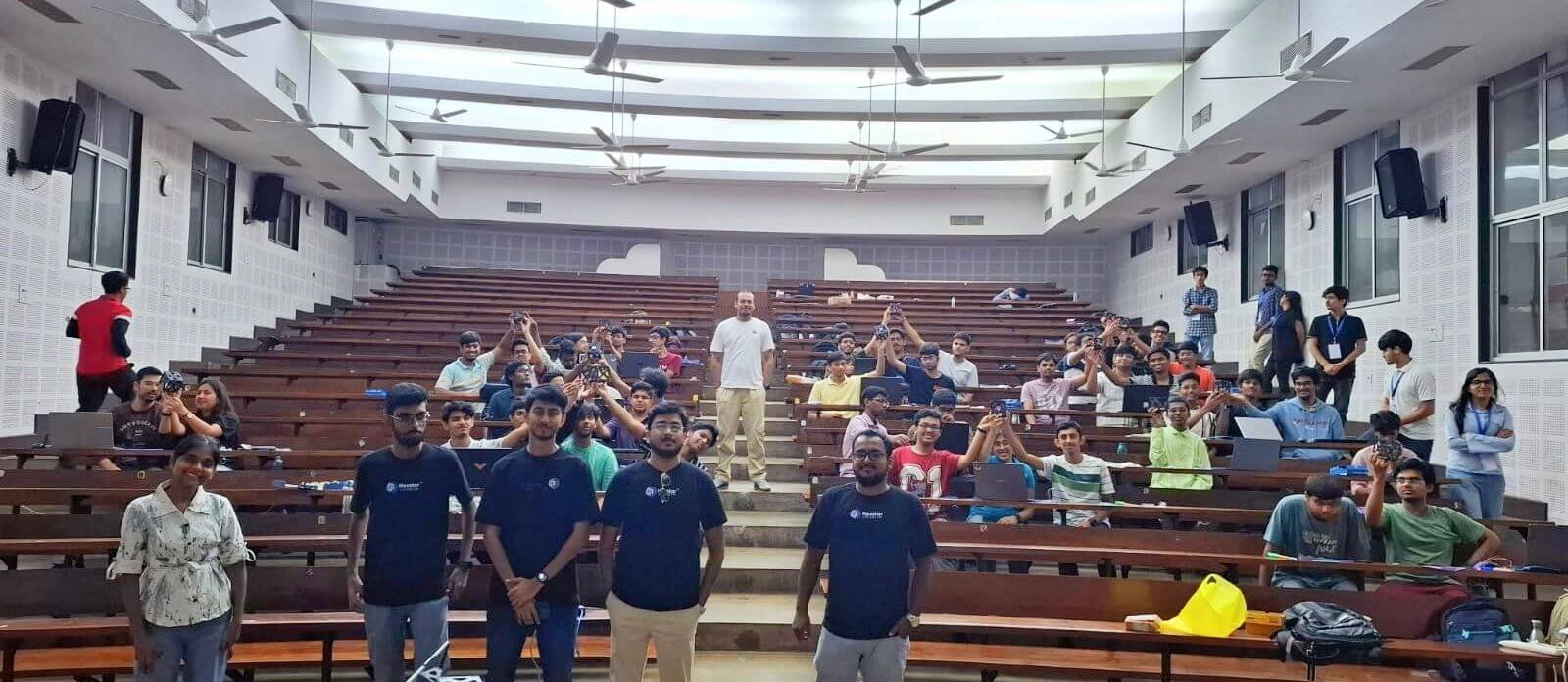
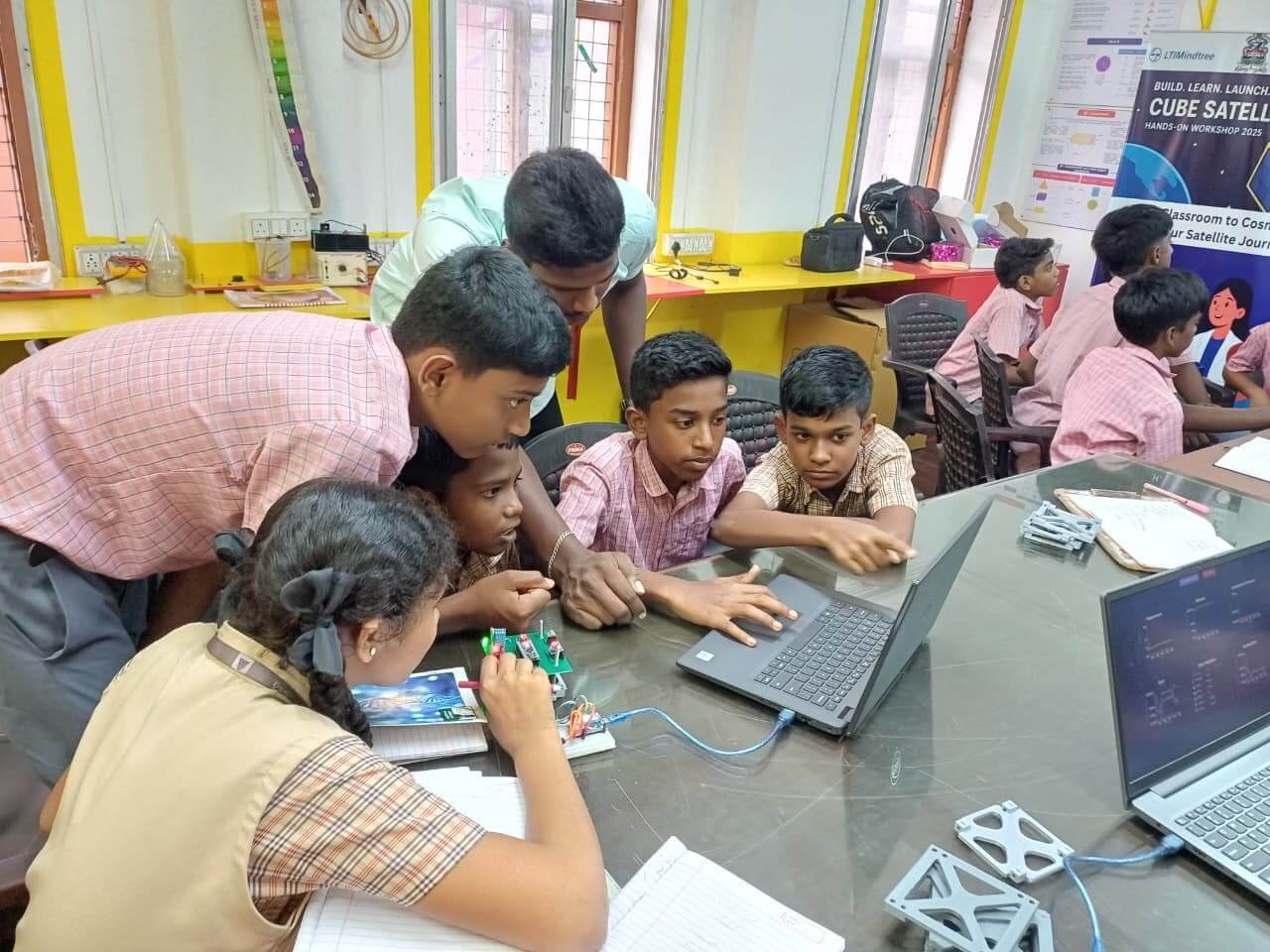
Learning becomes more effective when students actively participate in projects and discussions. Therefore, Hex-Star Academy conducts various workshops, technical sessions, and training programs designed for beginners and advanced learners alike.
Popular topics include:
Satellite Technology
Students gain insights into satellite subsystems, communication systems, sensors, payloads, and mission concepts.
CubeSat Engineering
Learners understand miniature satellite systems through practical experiments and projects.
Drone Technology
Workshops help participants explore UAV technologies and their applications.
Electronics and Embedded Systems
Students work with microcontrollers, communication modules, and sensor systems.
Artificial Intelligence and Space Applications
Participants discover how AI is transforming Earth observation, automation, and modern engineering.
Remote Sensing and GIS
Learners understand satellite imagery, mapping, and geospatial technologies.
Robotics and Automation
Practical robotics sessions help students develop programming and automation skills.
Because these programs combine theory with hands-on activities, learners develop deeper conceptual understanding.
Explore Training Programs:
Supporting Schools and Colleges
Educational institutions are increasingly recognizing the importance of project-based learning. Consequently, schools and colleges are adopting practical approaches to prepare students for future technologies.
Hex-Star Universe supports institutions through:
- Workshops
- STEM Programs
- Faculty Development Programs
- Technical Sessions
- Space Awareness Programs
- Innovation Activities
- Hardware Platforms
- Project Support
Furthermore, these initiatives help students develop scientific curiosity and engineering confidence.
Encouraging Innovation Through Projects
Projects play an important role in engineering education because they encourage experimentation and creative thinking.
Students can work on:
Satellite Projects
These projects introduce communication systems, sensors, telemetry, and mission planning concepts.
Drone Projects
Participants explore flight systems, navigation, and autonomous technologies.
Robotics Projects
Robotics activities help students understand automation and intelligent systems.
Embedded Systems Projects
Learners gain experience with ESP32, Arduino, and sensor-based systems.
High Altitude Balloon Missions
These projects allow students to perform atmospheric studies and near-space experiments.
Water Rocket Experiments
Students understand aerodynamics and propulsion principles through engaging activities.
As a result, learners gain confidence and develop valuable technical skills.
Learning Beyond Textbooks
Although theoretical education is essential, practical learning helps students understand concepts more effectively. In addition, project-based learning improves creativity, problem-solving abilities, and critical thinking skills.
Through workshops and engineering projects, students can:
- Build confidence.
- Improve analytical thinking.
- Understand real-world systems.
- Develop technical portfolios.
- Gain practical experience.
- Prepare for future careers.
Therefore, hands-on learning is becoming increasingly important in modern education.
Creating a SpaceTech Community
Besides educational programs and hardware platforms, Hex-Star Universe is committed to building a strong community of learners and innovators.
Through collaborations, workshops, technical sessions, and STEM activities, the organization aims to connect:
- Students
- Schools
- Colleges
- Teachers
- Researchers
- Engineers
- Space Enthusiasts
- Makers and Innovators
Consequently, students gain opportunities to learn, collaborate, and grow together.
Vision for the Future
The future of engineering belongs to learners who can combine knowledge with practical experience. Therefore, creating accessible opportunities for students is essential.
Hex-Star Universe envisions a future where every student interested in Space Technology, electronics, robotics, artificial intelligence, and aerospace engineering can access practical learning experiences.
By combining educational kits, workshops, training programs, and community initiatives, the organization aims to inspire future:
- Scientists
- Engineers
- Researchers
- Innovators
- Entrepreneurs
Ultimately, the goal is simple:
To make SpaceTech and STEM education accessible to everyone and build a strong ecosystem of future innovators from West Bengal and beyond.
Opportunities in Space Technology and STEM Education for Students in West Bengal
The demand for SpaceTech and STEM skills is growing rapidly across the world. As new technologies continue to emerge, students are gaining access to opportunities that were once limited to research institutions and specialized organizations. Consequently, practical learning has become more important than ever.
Students interested in Space Technology no longer need to wait until college or higher studies to begin their journey. Instead, they can start exploring concepts through projects, workshops, and educational kits from an early stage.
Moreover, the rise of private space companies and advanced technologies is creating exciting opportunities for future engineers, researchers, and innovators.
Career Opportunities in Space Technology
Space Technology is an interdisciplinary field that combines multiple branches of science and engineering. Therefore, students with practical experience can pursue diverse career paths.
Popular career domains include:
- Aerospace Engineering
- Satellite Engineering
- Electronics Engineering
- Embedded Systems Development
- Robotics and Automation
- Artificial Intelligence
- Drone Technology
- Remote Sensing and GIS
- IoT Development
- Data Science
- Communication Systems
- Research and Development
Furthermore, these domains are expected to grow significantly in the coming years.
Opportunities Beyond Traditional Careers
Space Technology is not only about becoming an astronaut or a rocket scientist. In fact, the industry offers opportunities across multiple disciplines.
Students interested in software development can work on AI and automation systems. Similarly, electronics enthusiasts can explore embedded systems and communication technologies. Meanwhile, learners interested in Earth sciences can pursue remote sensing and geospatial applications.
Consequently, SpaceTech provides opportunities for students from different educational backgrounds.
Why Schools and Colleges Need Practical STEM Learning
Traditional classroom education provides a strong theoretical foundation. However, practical exposure enables students to understand concepts more effectively.
Therefore, schools and colleges are increasingly introducing:
- STEM Activities
- Space Awareness Programs
- Robotics Workshops
- Electronics Projects
- CubeSat Projects
- Drone Programs
- Innovation Challenges
- Engineering Competitions
Besides improving technical knowledge, these activities also help students develop creativity, teamwork, and critical thinking skills.
Importance of Project-Based Learning
Project-based learning encourages students to apply theoretical concepts to real-world problems. As a result, learners gain confidence and practical experience.
Students working on projects can develop:
- Problem-solving abilities
- Analytical thinking
- Communication skills
- Teamwork capabilities
- Engineering confidence
- Innovation mindset
Moreover, project portfolios help students during internships, research programs, and higher education applications.
Why Hands-On Learning Is Essential
Reading books and attending lectures are important. Nevertheless, practical experience enables students to understand how systems actually work.
For example, building a CubeSat project teaches communication systems, sensors, and data collection. Likewise, drone projects introduce learners to navigation and autonomous systems. Similarly, robotics projects combine programming with electronics and mechanics.
Therefore, practical learning creates a deeper understanding of engineering concepts.
Emerging Technologies Shaping the Future
Several technologies are transforming industries worldwide. Consequently, students who develop skills in these domains will be better prepared for future opportunities.
These technologies include:
Artificial Intelligence
AI is being used in automation, image processing, and satellite applications.
Robotics and Automation
Robotics is revolutionizing manufacturing, healthcare, and industrial systems.
Embedded Systems
Modern devices rely heavily on embedded electronics and microcontrollers.
Internet of Things
IoT connects devices through sensors and wireless communication technologies.
Remote Sensing and GIS
Satellite imagery is helping industries solve environmental and geographical challenges.
Drone Technology
Drones are increasingly used in agriculture, surveying, logistics, and research.
Space Technology
Satellite systems, communication technologies, and Earth observation applications continue to create exciting opportunities.
The Role of Hex-Star Universe in West Bengal
Hex-Star Universe is working towards creating a strong SpaceTech ecosystem by providing students with practical learning opportunities.
Through educational kits, workshops, and Hex-Star Academy, the organization enables students to explore advanced technologies in an accessible manner.
Furthermore, Hex-Star Universe aims to bridge the gap between theory and practice by encouraging project-based learning.
Explore Hex-Star Universe:
Explore Hex-Star Academy:
Explore Educational Kits:
Why West Bengal Has the Potential to Become a SpaceTech Hub
West Bengal has a rich tradition of scientific excellence and engineering education. Moreover, the state has a large number of talented students, educational institutions, and technology enthusiasts.
As awareness about SpaceTech and STEM education continues to grow, the state has the potential to become an important center for innovation and practical learning.
Organizations like Hex-Star Universe are contributing to this vision by promoting hands-on education and encouraging students to explore future technologies.
Therefore, the future of SpaceTech education in West Bengal looks promising.
Building the Next Generation of Innovators
The future belongs to learners who can combine creativity with practical skills. Consequently, students who start exploring emerging technologies early will have a significant advantage.
Whether someone is interested in CubeSat projects, CanSat systems, drone technologies, robotics, electronics, AI, or aerospace engineering, opportunities are becoming increasingly accessible.
Ultimately, the goal is not only to teach technologies but also to inspire curiosity, innovation, and problem-solving among future scientists, engineers, researchers, and entrepreneurs.
With the support of practical learning platforms like Hex-Star Universe and Hex-Star Academy, students across West Bengal can turn ideas into projects and projects into innovations.
Frequently Asked Questions About Space Education, SpaceTech, STEM Kits, and Hex-Star Universe
As Space Technology and STEM education continue to evolve, many students, parents, schools, and colleges have questions about practical learning opportunities. Therefore, this section answers some of the most commonly searched questions related to SpaceTech and educational kits in West Bengal.
What is Space Technology?
Space Technology refers to the technologies used in satellites, rockets, communication systems, Earth observation, navigation systems, and space exploration. It combines multiple disciplines, including electronics, embedded systems, artificial intelligence, and aerospace engineering.
What is Space Education?
Space education focuses on teaching concepts related to satellites, astronomy, rockets, drones, remote sensing, and aerospace engineering. Moreover, practical learning helps students understand these topics through projects and experiments.
Why is Space Education important?
Space education encourages creativity, innovation, and problem-solving skills. In addition, it prepares students for emerging technologies and future careers.
Is there a SpaceTech company in West Bengal?
Yes. Hex-Star Universe is a West Bengal-based SpaceTech and STEM company focused on practical learning, educational kits, workshops, and training programs.
Visit:
What is Hex-Star Academy?
Hex-Star Academy is the educational and training division of Hex-Star Universe. It provides workshops, masterclasses, training programs, and project-based learning opportunities.
Explore Hex-Star Academy:
Which company provides SpaceTech education in West Bengal?
Hex-Star Universe provides SpaceTech education through Hex-Star Academy, workshops, educational kits, and practical learning experiences.
Where can students learn satellite engineering in West Bengal?
Students can learn satellite engineering through workshops, projects, and training programs offered by Hex-Star Academy.
What is a CubeSat Kit?
A CubeSat Kit is an educational platform that helps students understand satellite systems, communication systems, sensors, and embedded technologies.
Explore CubeSat Kits:
What is a CanSat Kit?
CanSat Kits introduce students to aerospace engineering concepts and atmospheric experiments through compact satellite systems.
Explore CanSat Kits:
Which company provides CanSat Kits in India?
Hex-Star Universe provides CanSat Kits and other STEM learning platforms for schools, colleges, and enthusiasts.
What are Drone Kits?
Drone Kits help students understand flight systems, sensors, communication technologies, and UAV applications.
Explore Drone Kits:
What are Robotics Kits?
Robotics Kits combine programming, electronics, and mechanics to help students understand automation and intelligent systems.
Explore Robotics Kits:
What are ESP32 Kits?
ESP32 Kits help students explore IoT, wireless communication, sensors, and automation projects.
Explore ESP32 Kits:
What are Electronics Kits?
Electronics Kits provide hands-on exposure to circuits, sensors, microcontrollers, and communication systems.
Explore Electronics Kits:
What are Water Rocket Kits?
Water Rocket Kits introduce students to propulsion systems and aerodynamics through practical experiments.
Explore Water Rocket Kits:
What are High Altitude Balloon Systems?
These systems enable students to perform atmospheric studies and near-space experiments.
Explore High Altitude Balloon Systems:
What are Payload Recovery Systems?
Payload systems help students understand flight experiments, parachute mechanisms, and recovery techniques.
Explore Payload Systems:
Can school students learn Space Technology?
Yes. In fact, beginner-friendly kits and workshops make SpaceTech accessible even to school students.
Are CubeSat projects useful for engineering students?
Absolutely. CubeSat projects help students understand embedded systems, communication systems, and real satellite concepts.
Why is practical learning important?
Practical learning helps students develop technical confidence and understand concepts more effectively. Consequently, learners become better prepared for future opportunities.
Can beginners learn Space Technology?
Yes. Beginners can start with simple STEM projects and gradually move towards advanced technologies.
Why Choose Hex-Star Universe?
Students, schools, colleges, and STEM enthusiasts choose Hex-Star Universe because of its practical and project-based approach.
West Bengal-Based SpaceTech Company
Hex-Star Universe aims to make advanced technologies more accessible and easier to understand.
Hands-On Learning
Rather than focusing only on theory, the organization emphasizes experimentation and practical projects.
Educational Kits
Students can explore various hardware platforms through Hex-Star Store.
Explore:
Workshops and Training Programs
Hex-Star Academy regularly conducts workshops, masterclasses, and technical sessions.
Explore:
Emerging Technologies
Students can explore:
- Space Technology
- Artificial Intelligence
- Drone Technology
- Robotics
- Embedded Systems
- Electronics
- IoT
- Remote Sensing
- Satellite Engineering
Useful Links
🏠 Website
🚀 Hex-Star Academy
🛰 CubeSat Kits
🛒 Hex-Star Store
📚 Blogs
📩 Contact Us
▶ YouTube
Related Topics
You may also be interested in:
- Space Technology Courses in West Bengal
- CubeSat Projects for Students
- CanSat Projects
- Drone Technology
- Robotics and Automation
- Embedded Systems Projects
- Electronics Projects
- AI and Space Applications
- IoT Projects
- Remote Sensing and GIS
- High Altitude Balloon Experiments
- Water Rocket Projects
- STEM Education
- Space Science Projects
- Aerospace Engineering
Conclusion
The future of engineering and innovation belongs to learners who can combine theoretical knowledge with practical experience. Therefore, project-based learning is becoming increasingly important in modern education.
Through Hex-Star Academy, educational kits, workshops, and community-driven initiatives, Hex-Star Universe is working to make SpaceTech and STEM education accessible to students, schools, colleges, and enthusiasts.
Whether someone is interested in CubeSat systems, CanSat projects, drone technologies, robotics, electronics, artificial intelligence, or aerospace engineering, there are now more opportunities than ever before to start learning and innovating.
Ultimately, the vision of Hex-Star Universe is simple:
To empower the next generation of scientists, engineers, innovators, and explorers through practical SpaceTech and STEM education.