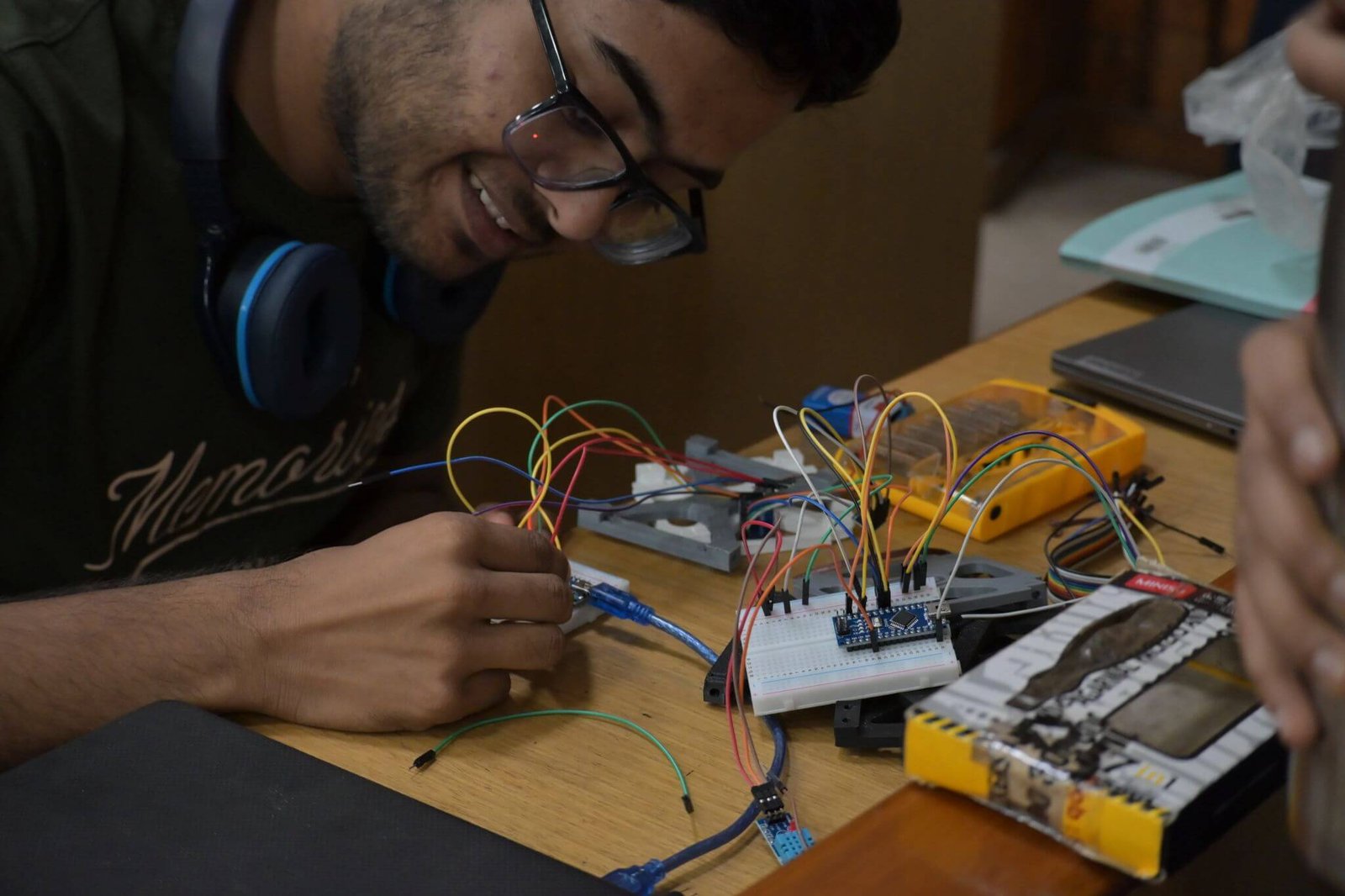
Choosing the right final year engineering project is an important step toward applying classroom knowledge to real-world problems. Whether you are studying Computer Science, Electronics and Communication, Mechanical, Electrical, Aerospace or another engineering discipline, a well-designed project can help you develop practical skills, strengthen your technical portfolio and prepare for future career opportunities.
If you are looking for innovative final year project ideas for engineering, this guide covers 20 project concepts across multiple branches, including satellite technology, robotics, artificial intelligence, IoT, embedded systems and sustainable engineering.
Each idea includes its objective, key technologies and possible applications to help you choose a project that matches your interests and technical skills.
How to Choose the Right Final Year Engineering Project
Before selecting a project, consider these factors:
- Your engineering branch: Choose a project relevant to your specialisation while exploring interdisciplinary applications.
- Technical feasibility: Make sure you have sufficient time, resources and access to the necessary components.
- Practical application: Look for a problem that your project can solve or investigate.
- Learning opportunities: Prioritise projects that help you learn new technologies and develop practical skills.
- Scope for innovation: Think about how you can improve an existing solution or introduce a new approach.
20 Innovative Final Year Project Ideas for Engineering Students
1. CubeSat-Based Environmental Monitoring System
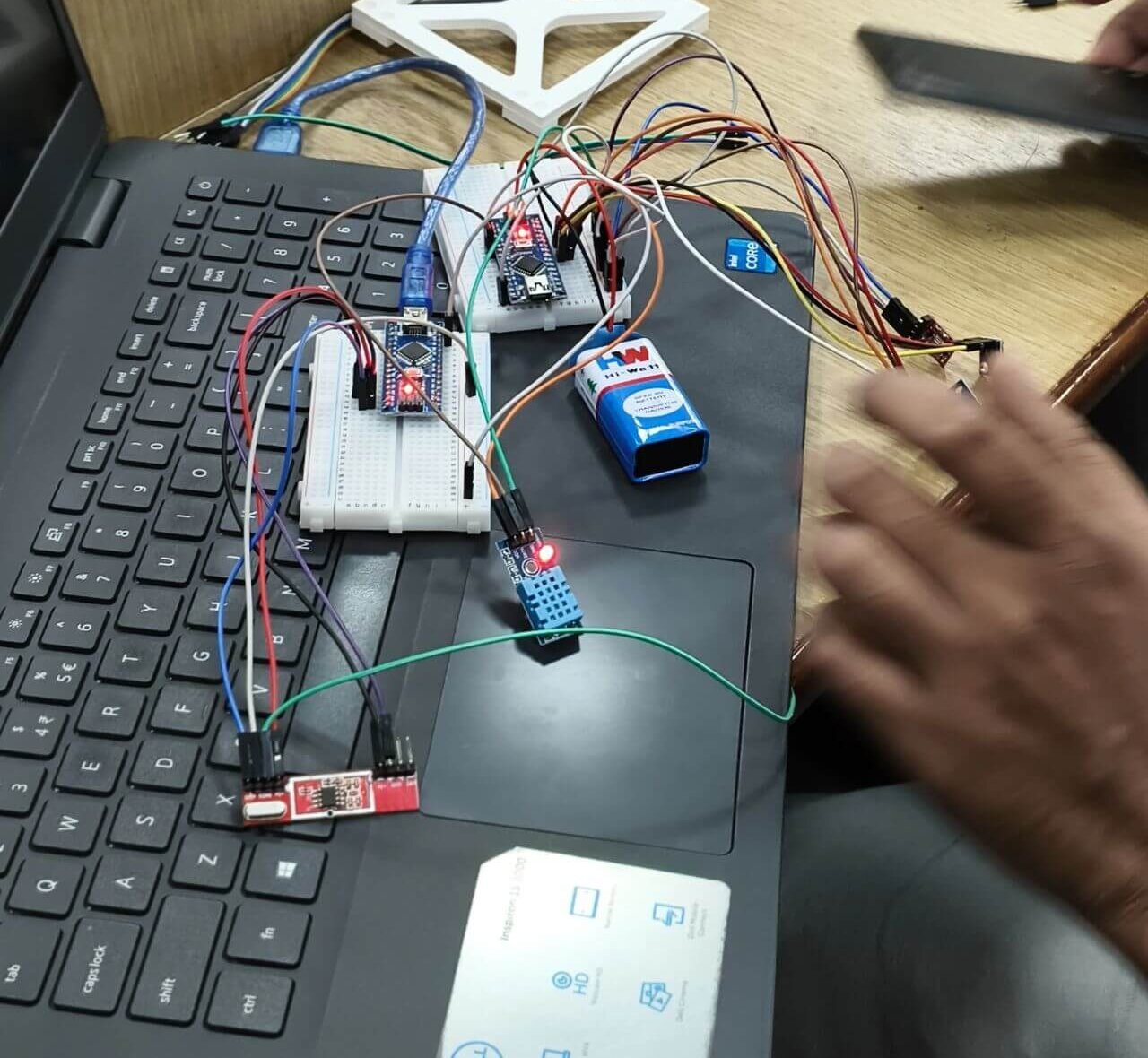
A CubeSat-based environmental monitoring project introduces students to satellite engineering, sensor integration, telemetry and environmental data collection. The project focuses on developing a miniature satellite system capable of collecting and transmitting environmental measurements.
What you can build:
- A miniature satellite structure with integrated sensors
- An environmental data acquisition system
- A wireless communication system
- A ground station or web dashboard for monitoring data
Technologies: Embedded systems, sensors, RF communication, microcontrollers, data visualisation.
Suitable for: Aerospace, Electronics and Communication, Electrical and interdisciplinary engineering students.
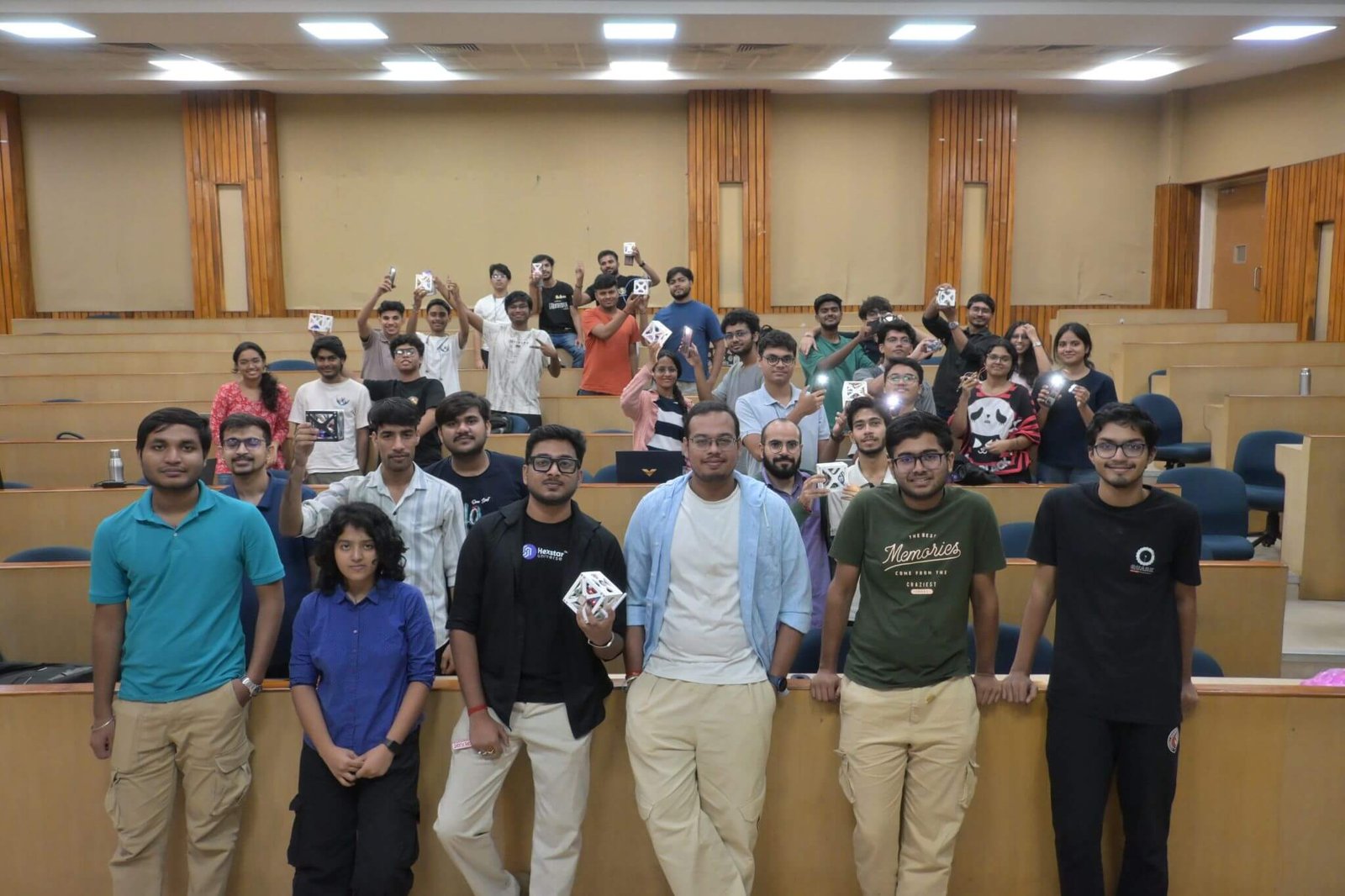
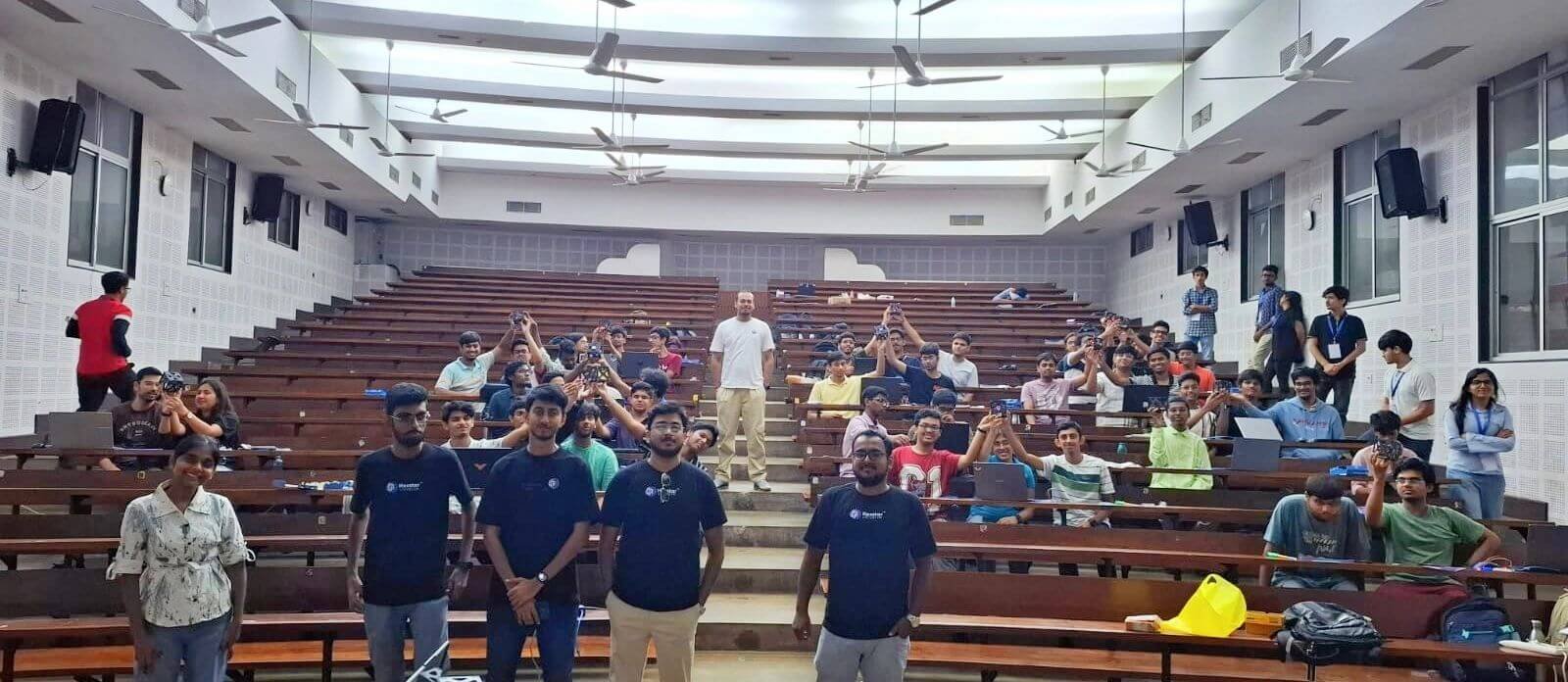
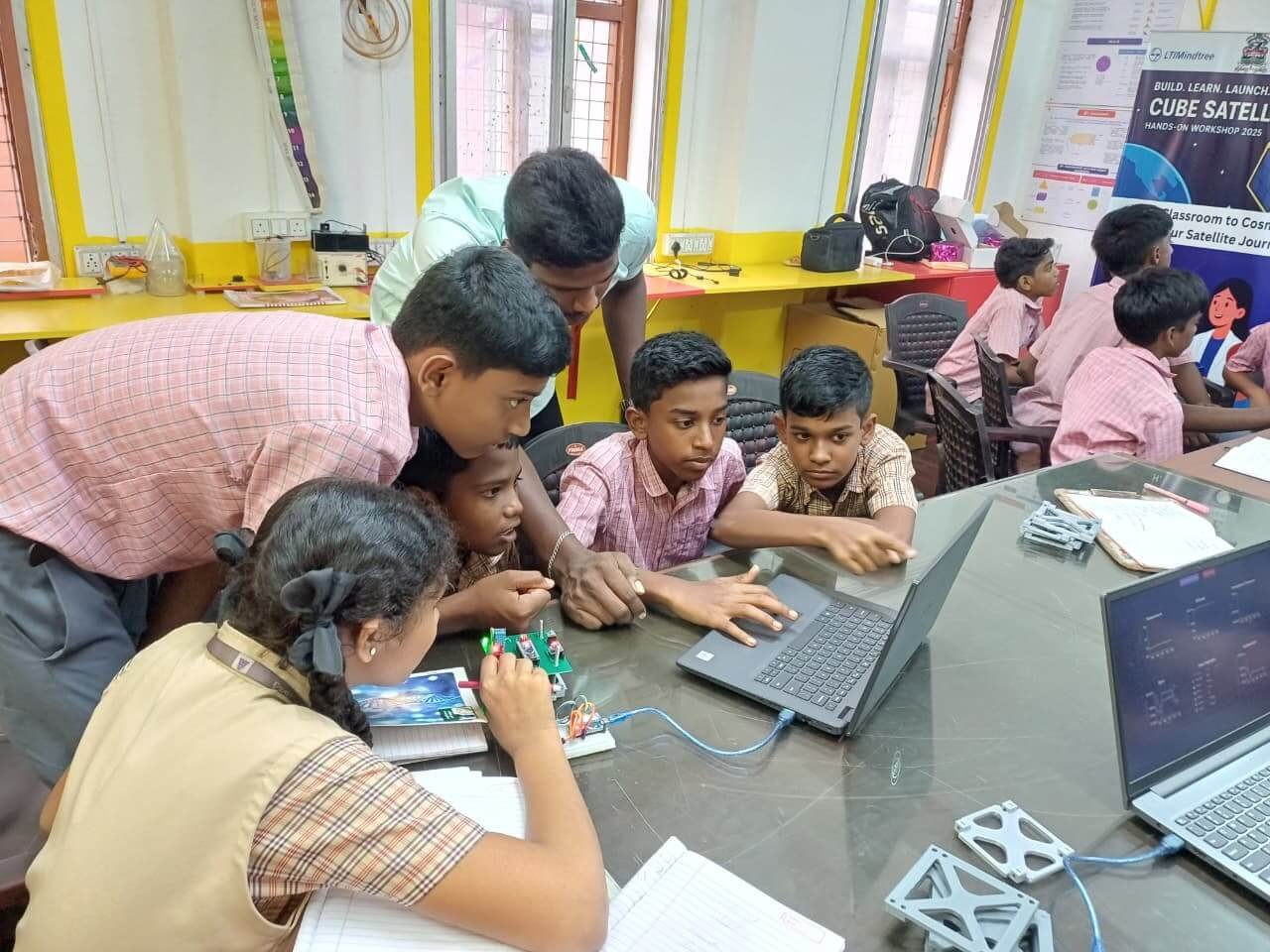
Students interested in practical satellite development can explore the Hexstar Universe CubeSat Kit, which provides hands-on experience with satellite components, sensors and real-time telemetry.
2. CanSat Payload Design and Atmospheric Data Collection
A CanSat is a compact educational satellite simulation that fits inside a small container. Students can design a payload that collects atmospheric data and transmits it to a ground station during deployment.
What you can build:
- A compact payload structure
- Temperature, pressure and altitude measurement systems
- Wireless telemetry
- Data logging and visualisation
- A parachute-assisted recovery system
Technologies: Arduino, embedded systems, LoRa, sensors, telemetry and data analysis.
Suitable for: Aerospace, ECE, EEE, Mechanical and multidisciplinary teams.
Explore the Hexstar Universe CanSat Kit to learn about payload integration, atmospheric sensing and satellite mission simulation.
3. AI-Powered Smart Traffic Management System
Traffic congestion is a major challenge in urban environments. This project uses artificial intelligence and computer vision to analyse traffic conditions and optimise signal timing.
What you can build:
- A camera-based vehicle detection system
- Traffic density estimation using computer vision
- An adaptive traffic signal controller
- A dashboard for traffic monitoring
Technologies: Python, OpenCV, YOLO, machine learning, IoT.
Suitable for: CSE, AI/ML, ECE and Electrical Engineering.
4. Autonomous Mobile Robot for Indoor Navigation
Design an autonomous robot that can navigate indoor environments, identify obstacles and reach predefined destinations without continuous human control.
What you can build:
- A mobile robotic platform
- Obstacle detection and avoidance
- Autonomous navigation and path planning
- Real-time mapping of the environment
Technologies: ROS, LiDAR, ultrasonic sensors, computer vision, SLAM.
Suitable for: Robotics, Mechanical, ECE and CSE students.
5. IoT-Based Smart Energy Monitoring System
Develop an intelligent energy monitoring system that measures electricity consumption and helps users identify energy usage patterns.
What you can build:
- Real-time energy measurement
- Wireless transmission of electrical data
- An energy monitoring dashboard
- Alerts for abnormal consumption
Technologies: ESP32, IoT, current sensors, cloud computing, data analytics.
Suitable for: Electrical, EEE, ECE and CSE students.
6. AI-Based Predictive Maintenance for Industrial Equipment
Predictive maintenance uses sensor data and machine learning to identify potential equipment failures before they occur.
What you can build:
- A vibration and temperature monitoring system
- A machine condition data collection platform
- A fault detection model
- A predictive maintenance dashboard
Technologies: Machine learning, Python, vibration sensors, signal processing, IoT.
Suitable for: Mechanical, Electrical, ECE and CSE students.
7. Drone-Based Agricultural Monitoring System
Develop a drone-based system that captures agricultural data and helps identify crop health conditions.
What you can build:
- An aerial image collection system
- Crop monitoring using image processing
- Vegetation analysis
- A field mapping and visualisation dashboard
Technologies: UAVs, computer vision, image processing, GPS, remote sensing.
Suitable for: Aerospace, ECE, Mechanical, CSE and Agricultural Engineering.
8. Smart Waste Segregation Using Computer Vision
Build a system that identifies different categories of waste and automatically separates them using image recognition and mechanical control.
What you can build:
- A waste classification model
- A camera-based detection system
- An automated sorting mechanism
- A waste monitoring dashboard
Technologies: Python, computer vision, machine learning, robotics, embedded systems.
Suitable for: CSE, Mechanical, ECE and interdisciplinary engineering.
9. Solar-Powered Autonomous Weather Station
Develop a self-sustaining weather monitoring system that collects atmospheric data and transmits measurements remotely.
What you can build:
- Temperature, humidity and pressure sensors
- Solar-powered electronics
- Wireless data transmission
- A live weather monitoring dashboard
Technologies: IoT, solar energy, microcontrollers, sensors, wireless communication.
Suitable for: Electrical, EEE, ECE, Mechanical and Environmental Engineering.
10. AI-Based Sign Language Recognition System
Create a system that recognises hand gestures and translates them into text or speech to support communication accessibility.
What you can build:
- A gesture recognition model
- Real-time hand tracking
- A sign-to-text translation interface
- Optional text-to-speech output
Technologies: Python, computer vision, deep learning, MediaPipe.
Suitable for: CSE, AI/ML and ECE students.
11. Smart Helmet for Industrial Worker Safety
Develop a wearable safety system that monitors environmental conditions and identifies potential hazards for industrial workers.
What you can build:
- Gas and temperature detection
- Impact detection
- Location tracking
- Wireless emergency alerts
Technologies: Embedded systems, IoT, GPS, sensors, wireless communication.
Suitable for: ECE, Electrical, Mechanical and CSE students.
12. AI-Based Satellite Image Classification
Satellite images contain valuable information about land use, vegetation, urban expansion and environmental changes. This project applies machine learning to classify satellite imagery.
What you can build:
- A satellite image dataset
- An image classification model
- Land-use categorisation
- A visual analysis dashboard
Technologies: Python, deep learning, GIS, remote sensing, image processing.
Suitable for: CSE, AI/ML, Aerospace and Civil Engineering students.
13. Autonomous Line-Following Robot With Adaptive Control
Develop a robot that follows a predefined path and adjusts its movement based on changes in the environment.
What you can build:
- A sensor-based line detection system
- An adaptive movement controller
- Obstacle detection
- Performance analysis under different conditions
Technologies: Arduino, PID control, sensors, embedded programming.
Suitable for: ECE, Mechanical, Electrical and Robotics students.
14. Digital Twin for Industrial Manufacturing
A digital twin is a virtual representation of a physical system that uses real-time data to monitor performance and simulate behaviour.
What you can build:
- A 3D virtual model of a machine
- Real-time sensor integration
- Performance monitoring
- A simulation interface for testing different conditions
Technologies: CAD, IoT, simulation, Python, data visualisation.
Suitable for: Mechanical, Industrial, CSE and Electrical Engineering.
15. IoT-Based Water Quality Monitoring System
Develop a system that monitors water quality parameters and provides real-time information about possible changes in water conditions.
What you can build:
- pH and temperature monitoring
- Turbidity measurement
- Wireless data transmission
- A water quality monitoring dashboard
Technologies: IoT, sensors, microcontrollers, cloud computing.
Suitable for: Civil, Environmental, ECE, Electrical and CSE students.
16. AI-Based Human Activity Recognition
Build a system that identifies human activities using motion sensors or video data.
What you can build:
- A motion data collection system
- Activity classification
- Real-time recognition
- A visualisation interface
Technologies: Machine learning, Python, accelerometers, deep learning.
Suitable for: CSE, AI/ML, ECE and Biomedical Engineering.
17. Autonomous Robotic Arm for Object Sorting
Design a robotic arm that identifies objects and sorts them according to their shape, colour or size.
What you can build:
- A multi-axis robotic arm
- Object detection and classification
- Automated gripping and sorting
- A programmable control system
Technologies: Robotics, computer vision, servo motors, embedded systems.
Suitable for: Mechanical, Mechatronics, ECE and CSE students.
18. Wireless Ground Station for Satellite Communication
Develop a ground station capable of receiving, decoding and visualising telemetry from a remote system.
What you can build:
- An RF communication receiver
- A data decoding system
- A telemetry monitoring interface
- Real-time data visualisation
Technologies: SDR, RF communication, Python, signal processing, embedded systems.
Suitable for: ECE, EEE, Aerospace and Communication Engineering.
19. Smart EV Battery Monitoring and Management System
Develop a battery monitoring system that tracks battery parameters and helps evaluate its performance and safety.
What you can build:
- Voltage and temperature monitoring
- Battery state-of-charge estimation
- Fault detection and alerts
- A battery performance dashboard
Technologies: Embedded systems, battery management, IoT, sensors, data analytics.
Suitable for: Electrical, EEE, ECE, Mechanical and Automotive Engineering.
20. 3D-Printed Lightweight Aerospace Structure
Explore the design and development of lightweight structures using additive manufacturing techniques.
What you can build:
- A CAD-designed aerospace structure
- 3D-printed structural components
- Strength and weight optimisation
- Comparative mechanical testing
Technologies: CAD, 3D printing, material science, finite element analysis.
Suitable for: Aerospace, Mechanical, Civil and Manufacturing Engineering.
How to Select a Final Year Project Based on Your Engineering Branch
| Engineering branch | Recommended project areas |
|---|---|
| Computer Science (CSE) | AI, computer vision, IoT, digital twins |
| Electronics (ECE) | Satellite communication, embedded systems, robotics |
| Electrical (EEE) | Energy monitoring, EV battery management, automation |
| Mechanical Engineering | Robotic arms, lightweight structures, predictive maintenance |
| Aerospace Engineering | CubeSat, CanSat, drones, satellite systems |
| Civil Engineering | Smart infrastructure, environmental monitoring, digital twins |
| AI and Data Science | Satellite image classification, predictive analytics, computer vision |
How to Make Your Final Year Engineering Project Stand Out
A successful final year project is not just about building a prototype. It is about demonstrating how your solution works, what problem it addresses and what you learned during development.
Here are a few ways to strengthen your project:
1. Build a functional prototype: Demonstrate the actual working principle instead of relying only on simulations or presentations.
2. Collect real data: Use sensors, experiments or real-world datasets to validate your results.
3. Document your process: Maintain records of design decisions, testing, failures and improvements.
4. Create a technical portfolio: Include project documentation, photographs, videos, source code and results.
5. Explore interdisciplinary applications: Combine electronics, software, mechanical design and data science to solve more complex problems.
6. Consider research and competitions: A well-documented project can be developed further for technical competitions, research presentations or innovation challenges.
Where Can Engineering Students Get Hands-On Experience With Space Technology?
Students interested in aerospace engineering, satellite systems, electronics and embedded systems can benefit from working with practical educational hardware.
Hexstar Universe offers educational space technology kits designed to introduce students to satellite systems, payloads, sensors and telemetry.
CubeSat Kit
The Hexstar Universe CubeSat Kit provides a hands-on introduction to miniature satellite systems. Students can explore sensor integration, environmental data collection, electronics, wireless communication and real-time data visualisation.
It can be useful for engineering mini-projects, technical clubs, practical demonstrations and learning activities related to space technology.
CanSat Kit
The Hexstar Universe CanSat Kit introduces students to compact satellite payload design and simulated satellite missions.
Students can explore atmospheric sensing, telemetry, data collection, payload integration and mission planning. It is particularly relevant for teams interested in aerospace projects and CanSat-related competitions.
Frequently Asked Questions (FAQs)
1. What are the best final year project ideas for engineering students?
Some promising project areas include CubeSat systems, AI-powered traffic management, autonomous robotics, IoT energy monitoring, predictive maintenance, satellite image classification and smart battery management. The best choice depends on your branch, interests and available resources.
2. Which final year projects are best for engineering students in 2026?
Projects involving AI, robotics, embedded systems, IoT, satellite technology, automation and sustainable engineering offer opportunities to explore practical and interdisciplinary applications.
3. What are some unique final year project ideas for ECE students?
ECE students can explore satellite communication, wireless ground stations, embedded systems, RF telemetry, sensor-based monitoring, robotics and IoT applications.
4. What are some innovative final year project ideas for CSE students?
CSE students can develop projects involving computer vision, AI-powered traffic management, satellite image classification, sign language recognition, digital twins and machine learning-based predictive maintenance.
5. Can aerospace engineering students build a CubeSat as a final year project?
Yes. Students can explore CubeSat structural design, payload integration, sensor systems, communication, telemetry and ground station development. The project scope should be adapted to available resources and academic requirements.
6. What is a CanSat project?
A CanSat project involves designing a compact satellite simulation that fits within a small container. Students develop a payload that can collect data, transmit measurements and perform a simulated mission.
7. How do I choose a final year project with a limited budget?
Start by identifying the components and resources already available in your department. Consider modular projects using microcontrollers, open-source software, affordable sensors and existing datasets. Focus on a functional prototype rather than unnecessary complexity.
8. How can a final year project help with placements?
A well-developed project can demonstrate practical knowledge, problem-solving, teamwork, programming, hardware integration and communication skills. Documenting your work also helps you discuss technical decisions during interviews.
9. Can engineering students participate in space technology projects without an aerospace background?
Yes. Space technology projects involve multiple disciplines, including computer science, electronics, mechanical engineering, electrical engineering and data science. Students can contribute based on their specialisation and learn additional skills through practical projects.
10. Where can students find educational satellite kits for engineering projects?
Students and institutions can explore the Hexstar Universe CubeSat Kit and CanSat Kit for hands-on learning in satellite technology, payload development, sensor integration and telemetry.
Conclusion
The best final year engineering project is one that allows you to move beyond theoretical knowledge and develop something meaningful, practical and technically challenging.
Whether you are interested in artificial intelligence, robotics, electronics, sustainable engineering or space technology, there are countless opportunities to explore innovative solutions and build a strong technical portfolio.
If you are interested in satellite engineering, payload development or hands-on space technology, explore the educational kits and learning resources offered by Hexstar Universe to take your engineering project ideas from concept to practical experimentation.
Ready to explore space technology through hands-on engineering?
Discover the Hexstar Universe CubeSat Kit and CanSat Kit to get started.